
COURSE OVERVIEW
Designing environments. Crafting assets. Creating believable digital worlds.
The MA VFX: Environments and Assets is an Industry-focused course specialising in building immersive digital worlds.
Working collaboratively across disciplines, you’ll integrate CG environments with physical sets whilst developing skills aligned with contemporary VFX pipelines.

What Our Students Create
Content Tabs
This is an industry-focused master's program specialising in the creation of high-end environments and hero assets for visual effects. Students develop production-ready skills using industry-standard software, including Houdini, Maya, ZBrush, Substance 3D Painter, and Mari, with a strong emphasis on Houdini. The course explores procedural workflows for populating environments, scattering debris and rocks, and creating FX elements, preparing graduates for careers in the VFX and animation industries.
Graduates are equipped to pursue roles including Modelling Artist, Texturing and Look Development Artist, Asset Artist, Environment Artist, FX Artist, and CG Generalist. Throughout the course, students build both creative and technical expertise while gaining the confidence to tackle complex CG challenges.
You'll work in a collaborative production environment alongside students from VFX: Lighting and Compositing, Model Making, and Composing and Sound Design, mirroring professional studio pipelines. Taught by industry artists and supervisors, the course combines creative exploration with real-world practice and provides access to the CoSTAR innovation programme, exposing students to emerging technologies such as virtual production, AI, and real-time workflows.
You'll graduate with a strong, industry-ready portfolio demonstrating your ability to create photorealistic environments and assets. Our graduates have gone on to work at leading studios such as Framestore and Industrial Light & Magic, as well as boutique VFX and advertising studios including Electric Theatre Collective, Selected Works, and Time Based Arts.
The course is a high-intensity, practice-led programme combining workshops, studio sessions, technical masterclasses, critiques and tutorials. Each term builds on the last – moving from foundational asset creation, through large-scale environment design and FX systems, to collaborative, production-scale worldbuilding.
By the end of the course, you will have developed:
- A portfolio of industry-standard digital assets and environments
- Strong skills in 3D modelling, texturing and look development
- Experience with procedural systems and scalable worldbuilding
- Understanding of real-time and cinematic environment pipelines
- Experience working within collaborative, multi-disciplinary productions
- Critical awareness of your own creative and professional development
- You’ll also explore how AI-assisted tools can support concept development, iteration and procedural workflows – while maintaining artistic intent, ethical awareness and professional judgement.
Course Modules covered include:
Module 1: Foundations of Digital Environments and Asset Creation
This foundation module establishes the technical, conceptual and artistic principles of digital asset and environment creation for visual effects. You’ll learn to think in terms of worlds rather than shots, developing assets that are coherent, scalable and production-ready. Working with industry-standard tools including Maya, Houdini, Substance Painter and Unreal Engine, you’ll gain a strong grounding in professional environment pipelines.
Module 2: Producing a Photoreal Asset
Focusing on cinematic-quality asset creation, this module develops your ability to create film-ready hero assets with high levels of material realism and surface detail. You’ll explore procedural modelling, texturing and look development, learning how to analyse real-world reference and reproduce believable material behaviour under light.
Module 3: Designing Environments
In this module, you design and build a large-scale digital environment using AI-assisted concept development, procedural systems and real-world data. The focus shifts to systemic worldbuilding: creating environments that are coherent across scale, resilient under production demands and adaptable to cinematic use. You’ll develop procedural tools and pipelines primarily in Houdini, enabling iteration, variation and scalability.
Module 4: Cinematic FX Systems and Simulation for VFX
This module develops advanced skills in FX and simulation, treating effects as production-critical assets rather than isolated shots. Working primarily in Houdini, you’ll create physically informed simulations such as fire, smoke, destruction and fluids, focusing on reusability, optimisation, caching and pipeline integration.
Module 5: Integrated Worldbuilding – From Miniature to Screen
In this major collaborative capstone project, you work alongside students from VFX: Lighting and Compositing, Model Making, Composing and Sound Design to deliver a fully realised cinematic sequence. Physical miniatures are captured and integrated with digital environments in Unreal Engine, combining practical and digital techniques within a professional hybrid workflow.
Module 6: Master’s Portfolio
Running across all three terms, the Master’s Portfolio supports reflection, research and critical engagement with your practice. You’ll document your projects through annotated breakdowns, reflective writing and contextual research, exploring themes such as AI ethics, sustainability in digital pipelines and authorship in VFX.
You may be completely new to the industry, a recent undergraduate, a self-taught artist, or have some experience or qualifications and are looking for a step up in your career. This course is open to those from a wide range of backgrounds.
You must be able to demonstrate an interest in storytelling and its related digital mediums. While many applicants will have a degree from a British or overseas university, we will consider applicants who do not have a degree if they have an impressive portfolio, a creative track record, an alternative qualification or can articulate their passion clearly at an interview.
Applicants should be confident in the English language, be able to attend the course in-person and have at least basic computer literacy.
International students Visa and English language requirements
If you have any questions, please email info@nfts.co.uk
To apply, you may include the following optional items with your application:
- Optional: If you have a showreel, please submit a link to your showreel or a selection of still images/renders demonstrating your existing VFX skills. Select work that best represents your strengths and clearly communicates your artistry and understanding of visual effects workflows.
Applications will close at 23:59 on the day of the deadline, shown at the top of this page.
We have two VFX Courses. If you're unsure which VFX course is right for you, we encourage you to apply for either one and we will help to guide you on the option that best suits your interests and career goals.
FUNDING AVAILABLE
The newly established Amazon MGM Creative Technology Scholarship for emerging technologies and digital pathways, is available for this course. Eligible applicants offered a place on the course will be invited to apply for funding, where they can indicate their interest in the scholarship.
Upcoming Events
Tutors



A Fresh Take
Latest News


Graduate Success
NFTS graduates are in demand internationally, and consistently work in the Industry.
Recent credits include...
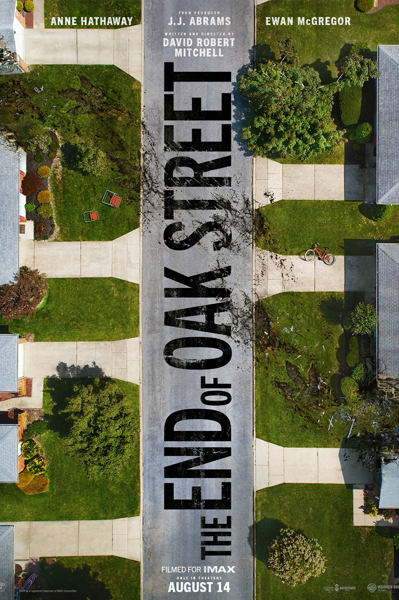
The End Of Oak Street
Environment Supervisor: ILM - James Miller
Graduate Success
NFTS graduates are in demand internationally, and consistently work in the Industry.
Recent credits include...
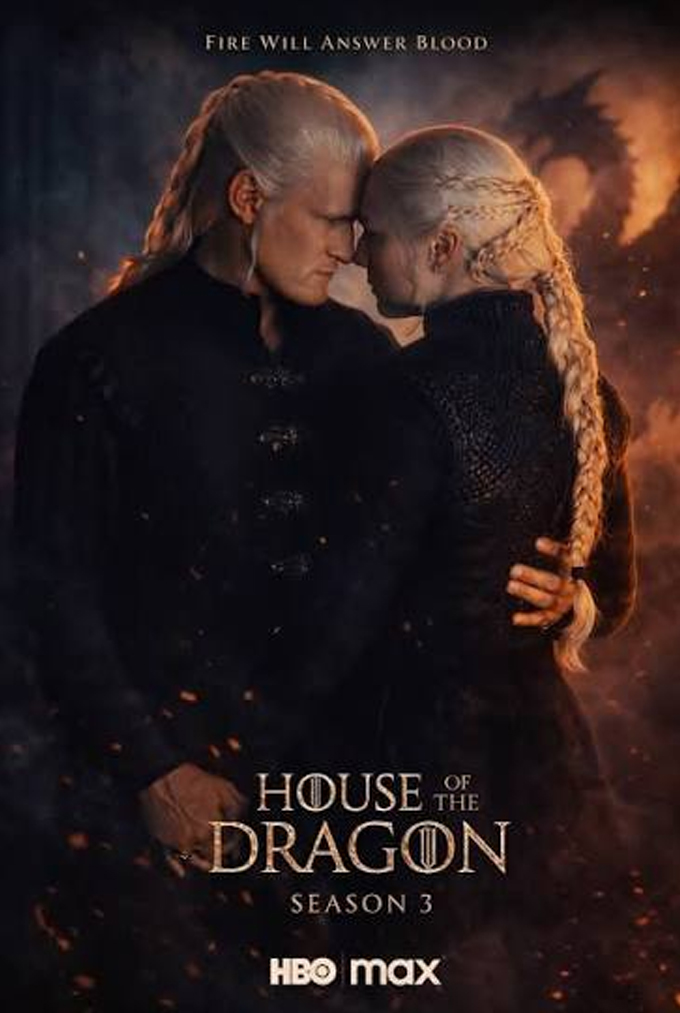
House of the Dragon Series 3
On-Set VFX Supervisor Gillian Simpson
Graduate Success
NFTS graduates are in demand internationally, and consistently work in the Industry.
Graduates include...
James Brennan-Craddock
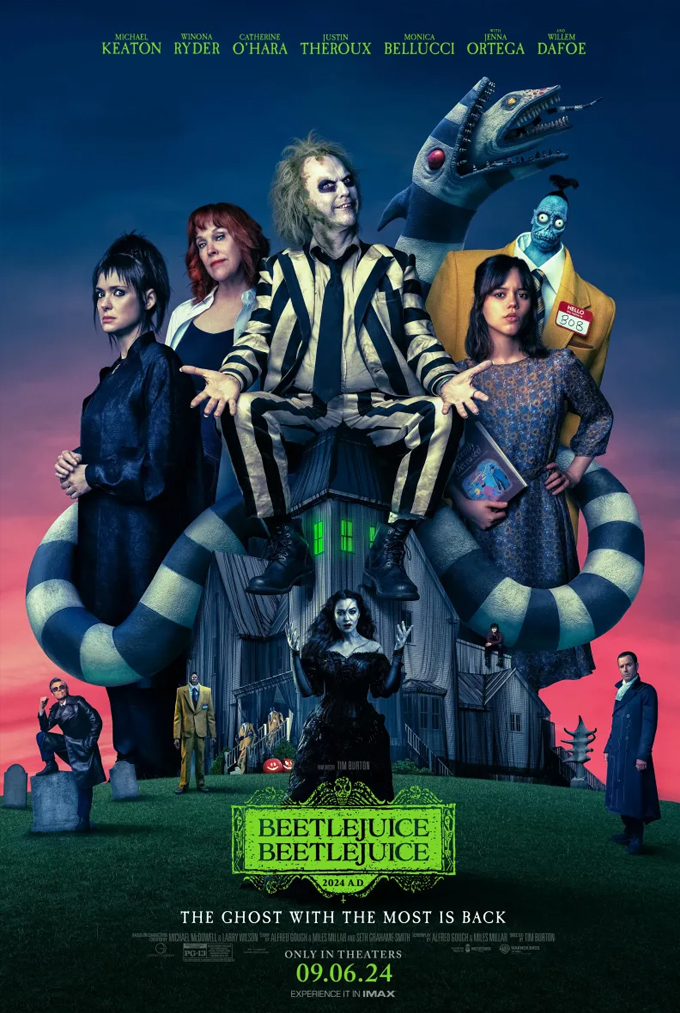
Works as VFX Supervisor at One Of Us. Recent credits include Beetlejuice Beetlejuice, The Sandman, Thor: Love and Thunder