

NFTS Students Travel To Yucatan Peninsula To Document Deadly Pollution | Oliver Hill

When I first began the Directing and Producing Science and Natural History MFA at the National Film & Television School, I was a fresh-faced scientist with very limited camera experience. If I was to create a nature documentary to a professional standard by the end of my course, I would need to get to grips with the huge variety of kit the school has tucked away. Filming natural landscapes and their animal denizens is no easy task, and a proper understanding of the different strategies and kit on offer is essential.
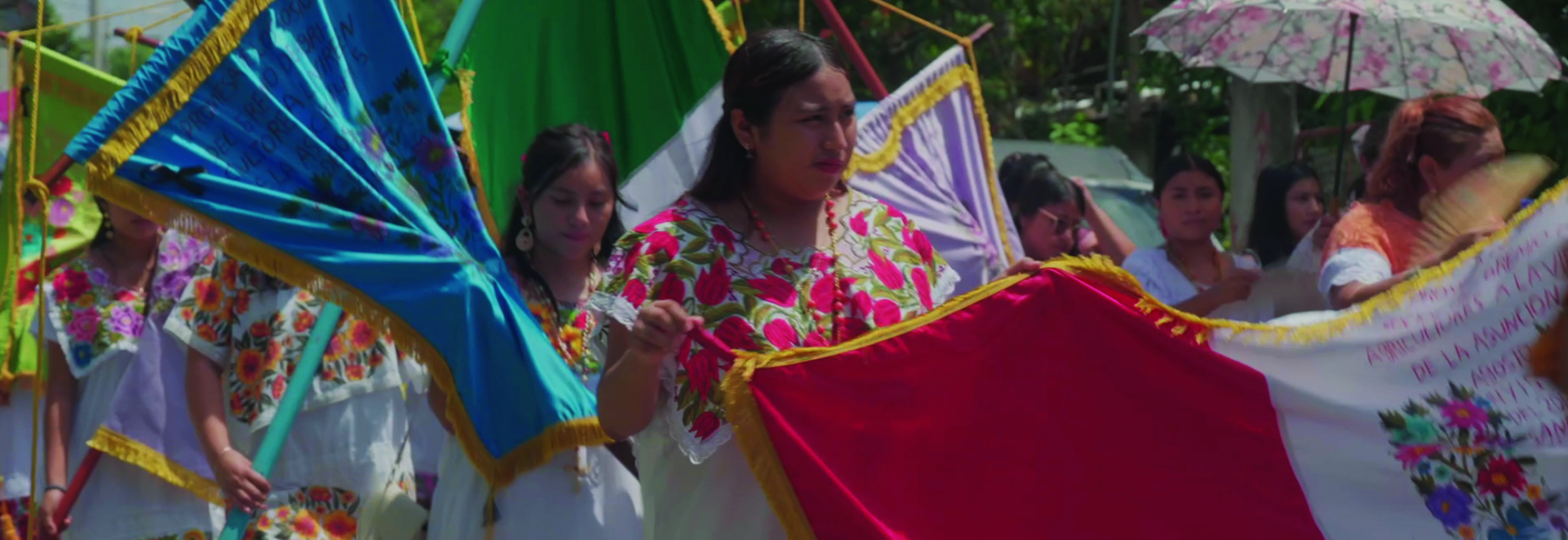
This certainly proved to be the case for my graduation project, It Blooms From Within. Filming this story took me to the steamy rainforests of the Yucatan Peninsula, in southern Mexico, on the hunt for the cenotes. This vast network of flooded caves and sinkholes are of paramount importance to the animals and Mayan communities who depend on their fresh water, even as deadly pollution seeps through the network. To tell the stories of the cenotes, I needed to utilise a huge range of filmmaking techniques, with the help of an armoury of specialised equipment. Every problem has a unique tool for its solution, and I brought all these to bear on my adventure. Here are some of the tips I picked up along the way.
Long Lens
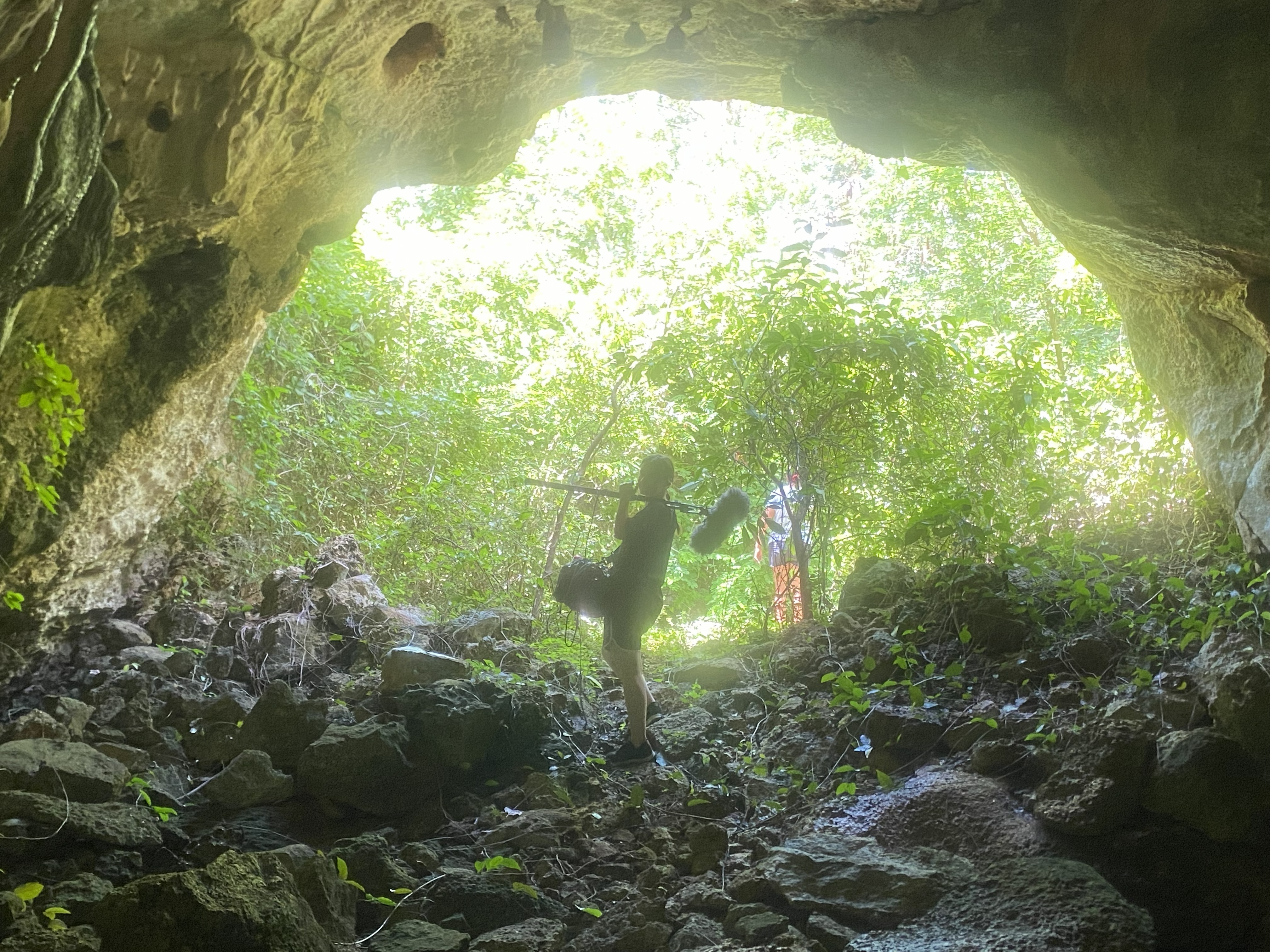
When trying to film wild animals, long lenses are your best friend. Getting too close to an animal can stress it out, change its behaviour or make it flee, so keeping a respectful distance is paramount. In the Yucatan my go-to long lens was the Sony 200-600. Though a bit of a heavyweight (it requires its own separate bag) there’s nothing better for allowing a cameraperson to quickly lock onto a distant creature, focus up, and then keep tracking it as it moves. After all, you have no idea what the subject is going to do next - spider monkeys don’t follow scripts!
Tripods are essential when using these sorts of lenses, that is if you want your shots to be remotely stable. However, dragging a heavy metal frame through a rainforest with 100% humidity is a challenge for anyone - always remember to keep hydrated, keep energised, and not carry more than you are capable of when in a remote setting. No shot is worth a sprained ankle or a bout of heatstroke.
Gimbal
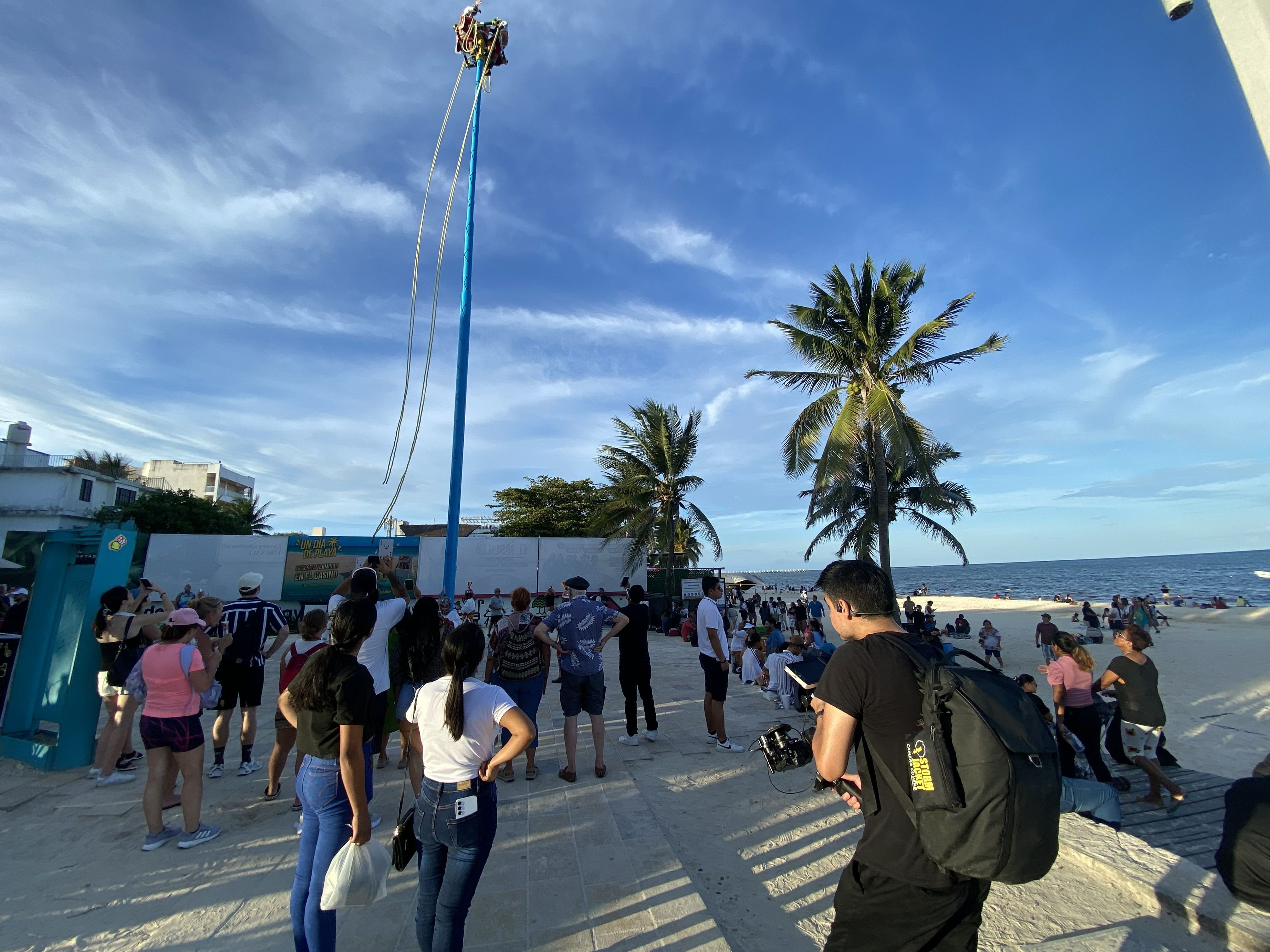
It Blooms From Within attempted to tell the human stories of the cenotes alongside that of its wildlife. When focusing on these themes, a gimbal was a necessity. This gyro-stabilised camera platform allows for smooth, deliberate shots to be captured on the fly. The process of capturing shots of people performing tasks from a variety of angles, is best served by this piece of kit. Accordingly, when focusing on the day to day existence of Mayan people, we created this smooth-flowing gimbal style to draw the audience in, and create a feeling of calm and safety in relation to these indigenous communities.
Drone
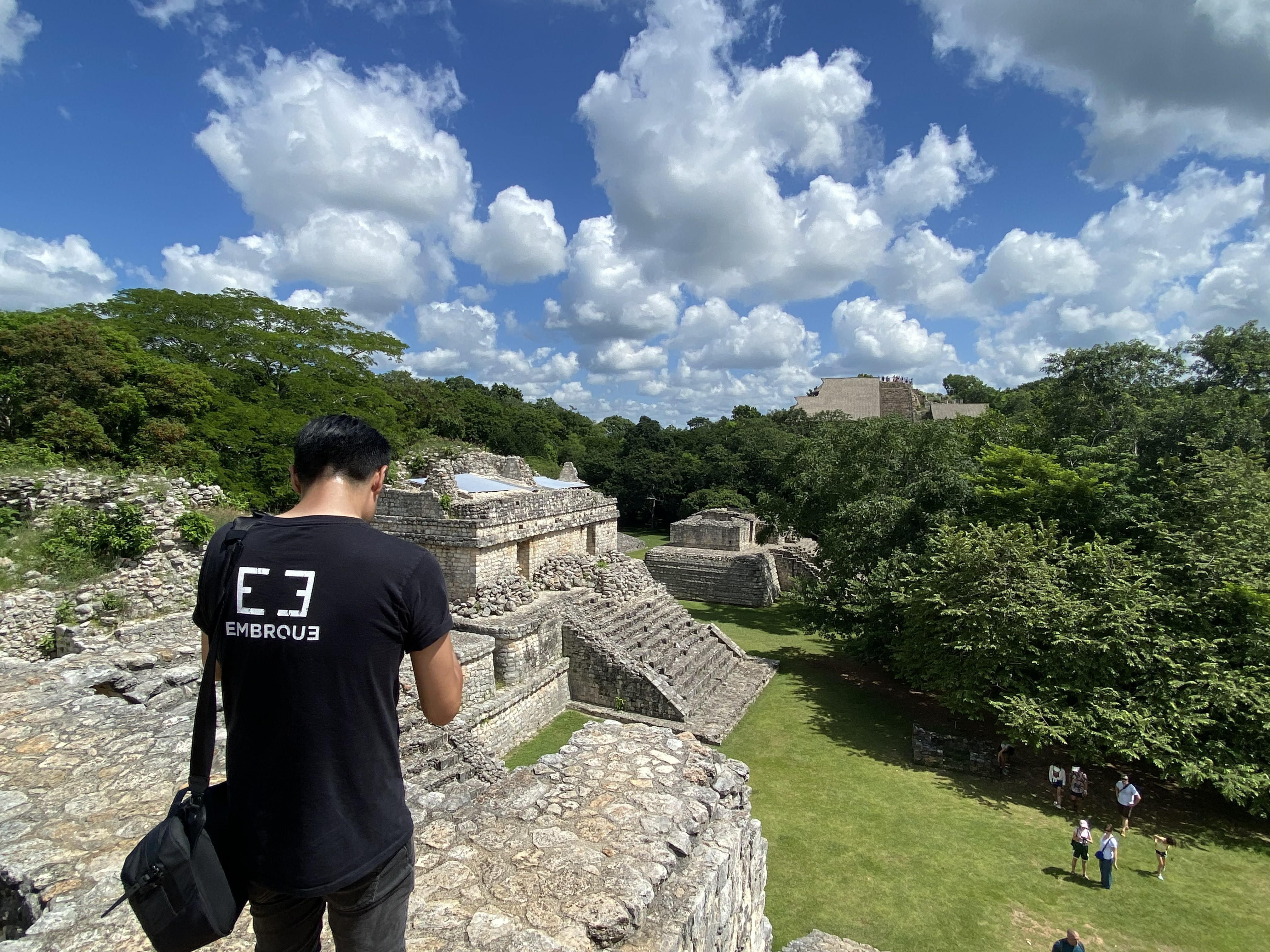
Drone filmmaking has been widely adopted by the natural history film industry. What better way to get close to animals without disturbing them, or to easily capture incredible landscape shots once only available from helicopters. Some of us think that drone shots, particularly establishing shots, are slightly over-used, so in Mexico I chose to keep the drone shots to a minimum, only using a drone to capture shots that would be impossible otherwise. The first shot of the film, showing the Yucatan’s rainforest from above, was not captured from a drone, but from a human POV, from the top of a 2000 year old Mayan pyramid. However, for a shot of a cenote from above, slowly pulling out to reveal the city encroaching around it, then a drone is the perfect tool for the job.
Underwater
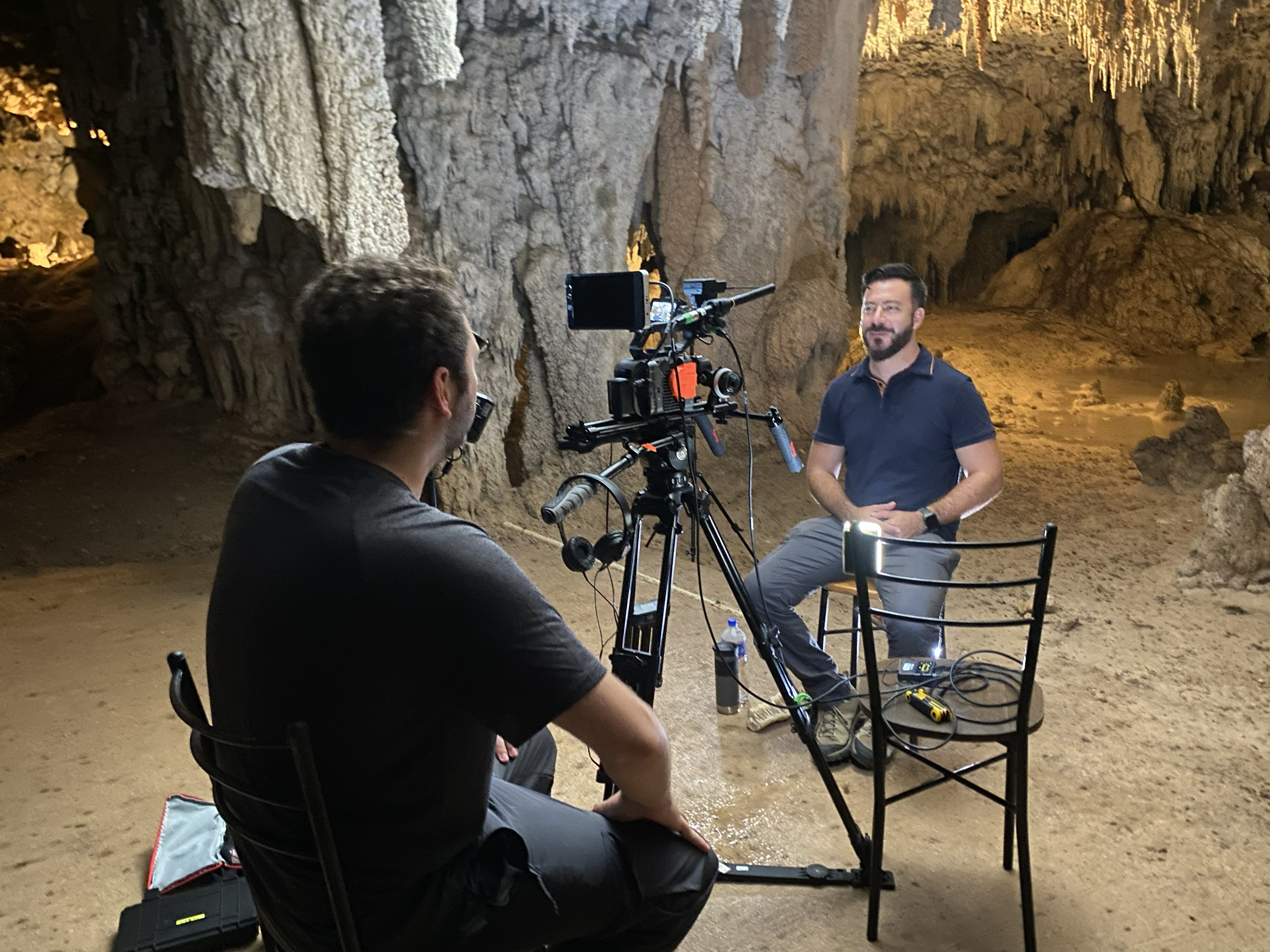
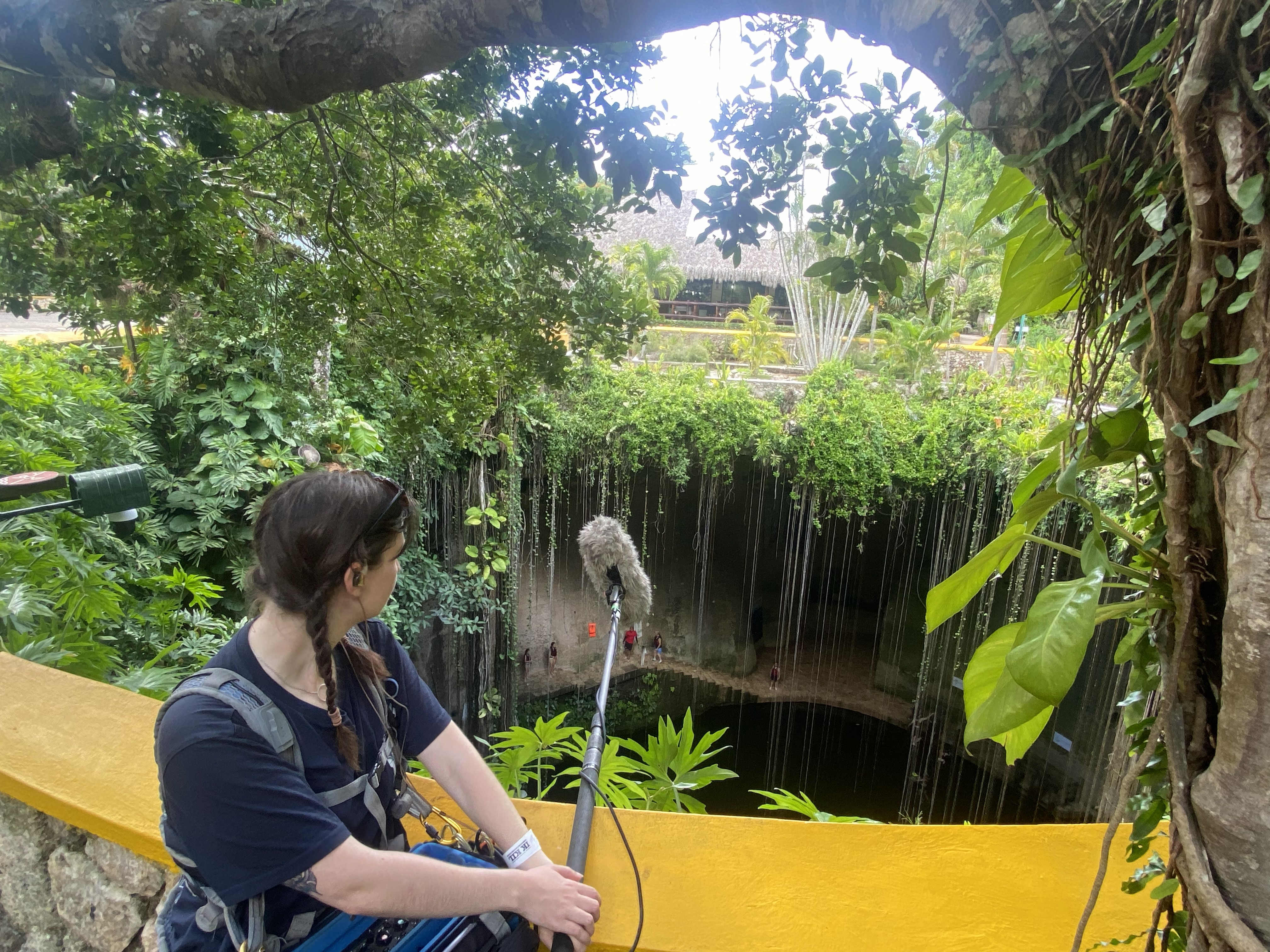
Of course, as this was a film centred around flooded caves, some underwater equipment was a must-have. In blue-chip natural history programs, footage of wildlife underwater is captured through cameras fitted inside specially-built waterproof housings. Though slightly cumbersome, and a chore to keep buoyant, these allowed me to use cameras like the Sony A7S inside the cenotes themselves (though you have to remember to check the seals before entering the water). GoPros are also essential for any underwater camera person, with most modern varieties being fully waterproof, and their light weight and durability made them perfect for capturing incredible 4K footage of the world below the surface, and it’s colourful denizens. These included fish, crabs, water birds and even a fully-grown crocodile, who might have otherwise been scared off by bulky camera gear. Normally visibility is a primary concern when shooting underwater - not so in the cenotes! The unique limestone geology of the Yucatan filters the water so perfectly that it is naturally crystal clear. The only blemishes came from manmade pollution seeping into the water.
That pollution was a reminder of why we go through all of this difficulty to begin with. Why we trudge through swamps and up mountains and down caves. The natural world is the best subject for any filmmaker, effortlessly exciting and unendingly beautiful. But it is fragile, and under assault from human activity. Hopefully, by learning to use all the tools in a wildlife filmmakers’ roster, we can all help to bring this fragility to life, and continue to protect our home.
-
It Blooms From Within is one of three NFTS-made films that have been selected at the historic Green Screen International Wildlife Film Festival 2026.
The NFTS is so proud of the team of talented and hardworking students behind this production.
Our Science and Natural History films have consistently been recognised at Student BAFTAs, Jackson Wild Media Awards, Student Academy Awards, Royal Television Society Awards, and major festivals including NaturVision and Wildscreen.
Want to follow in our graduate's footsteps and make award-winning work?
Our Directing and Producing Science and Natural History MFA will equip you with an unrivalled list of industry contacts and the skills needed to kickstart your career in this exciting industry.
Applications are open to start in January!
Find out more about the course and apply here: nfts.co.uk/snh
