

Capturing The Horseshoe Crab Mass Spawning Event in Delaware Bay

From ancient sea wonders to futuristic labs, each year horseshoe crabs are harvested as part of a mandatory blood donation, which is then used to save billions of lives and test almost every injectable medical product around the world.
Filming my graduation film Blue Blood was the biggest shoot I have ever done; it was an amazing experience and enabled me to see the whole process of creating a 20 minute film from beginning to end. Having never travelled outside of the UK before, this film would really push me outside my ‘comfort zone’ and enabled me to travel to the US on two occasions.
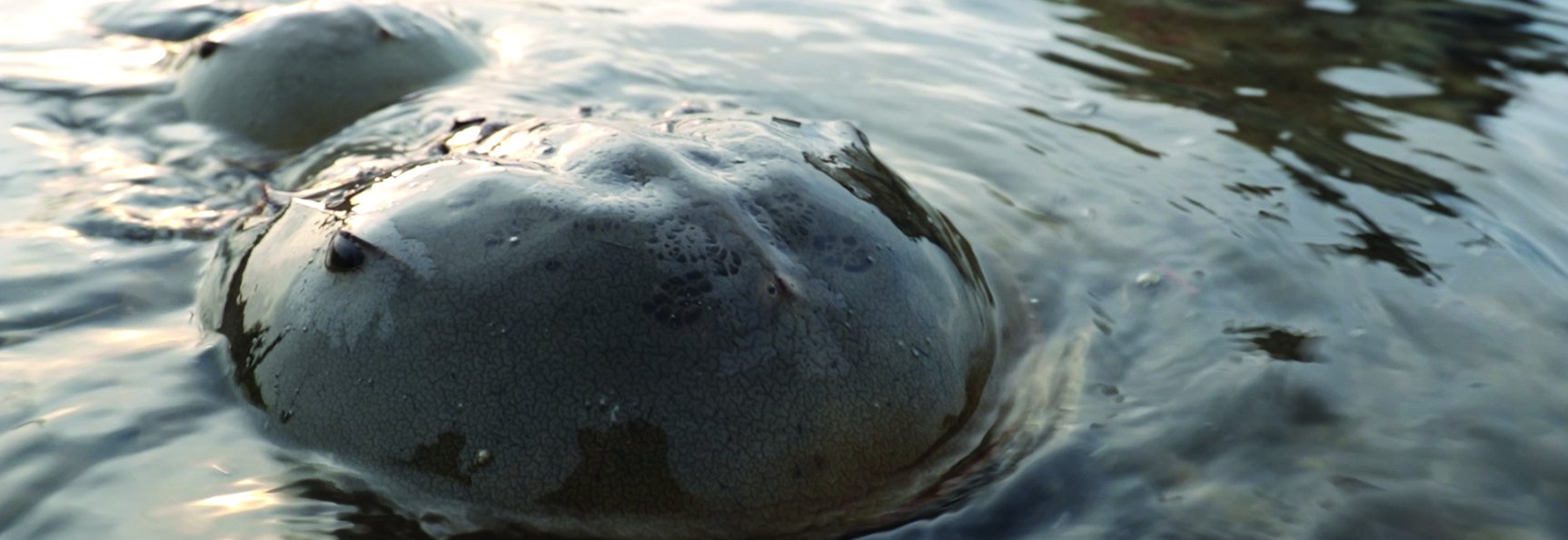
Night filming/lighting
The first 16-day shoot was in the picturesque Delaware Bay (New Jersey) where myself and my assistant camera/drone operator had the difficult task of capturing the time critical mass spawning event of the film’s main stars Horseshoe Crabs during the months of May and June only.
The second trip to the US was an unexpected solo self-shoot to Indianapolis, having been unable to film within a pharmaceutical laboratory during our first shoot schedule. I was able to re-arrange a 1-day shoot at Eli Lilly’s high security lab, enabling me to capture footage of LAL Clotting – a keystone message of the film and why Horseshoe Crabs are so important in the medical industry.
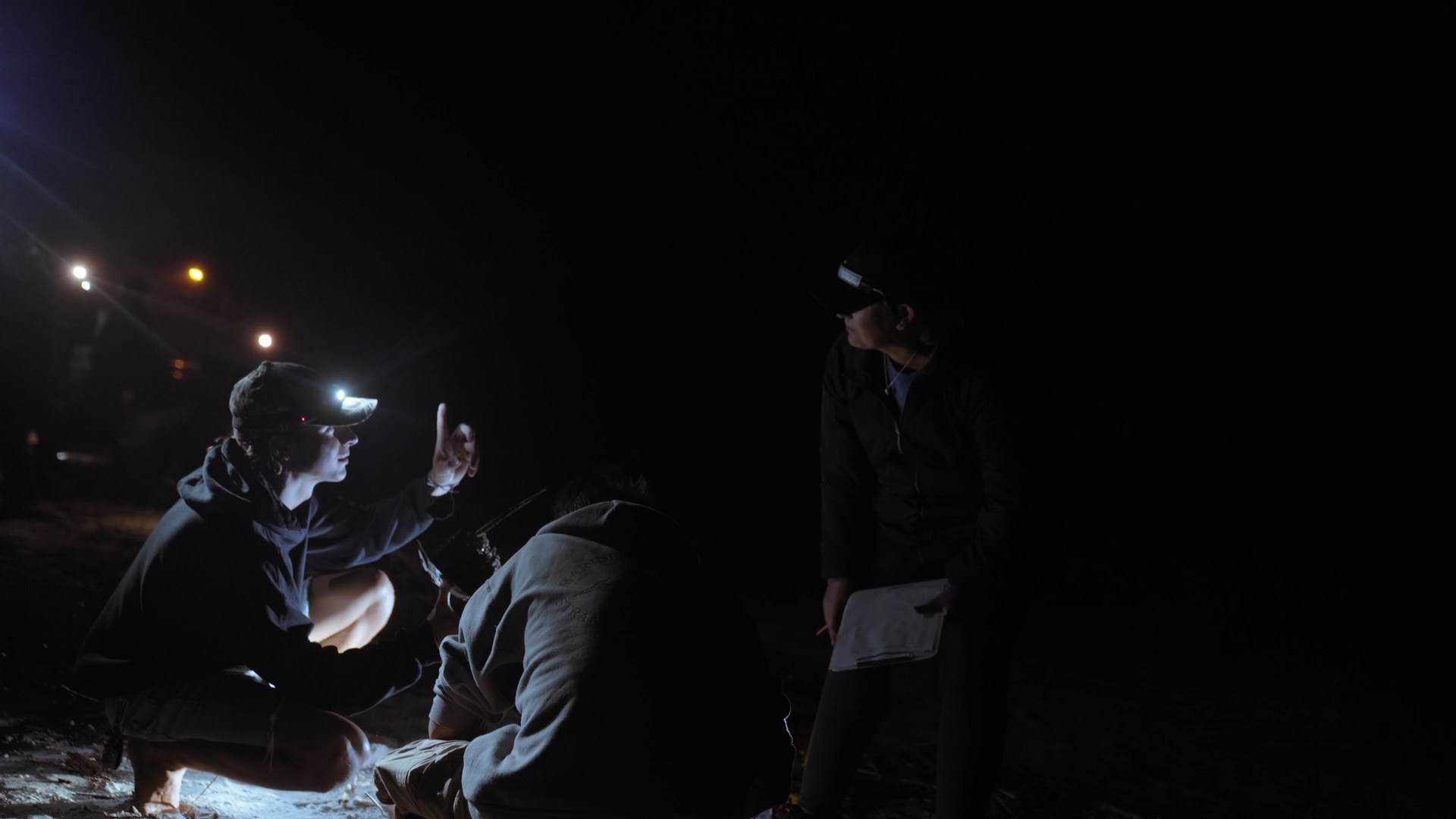
Capturing the time critical Night Horseshoe Crab Mass Spawning event would prove to be a bit of a challenge, although finding the crabs in the daylight was not a problem (as contacts had guided me to the beaches in Delaware bay to witness the event), horseshoe crabs only spawn at night and the largest gatherings required specific conditions (e.g.. high tides, under full/new moons and if it rains then the whole spawning process is put on hold).
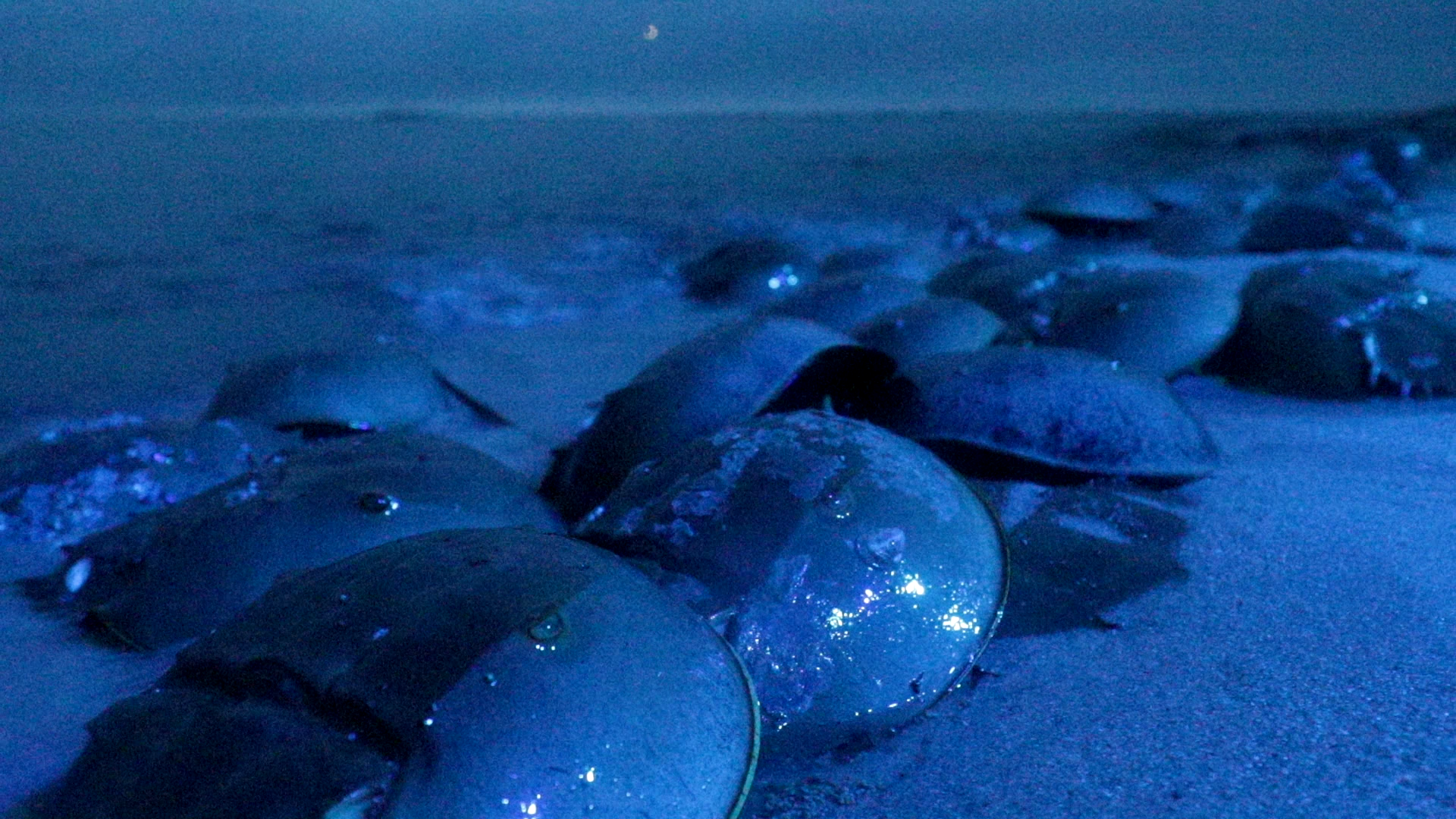
Over the 16 day shoot, we only had 4 optimal spawning nights to capture all the horseshoe crab footage: the camera assistant and I conducted 6-hour night shoots on remote costal locations. To add an extra level of complexity, I decided to use various coloured/UV lights and choreographed the dramatic drone filming sequence, in order to show off the vast scale of the spawning, the mesmerising rotating torchlights of the conservationists and to showcase how amazing and almost alien looking, these incredible marine animals were.
Although the Sony FX6, FX3 and Cannon 80D has relatively good low light capabilities, our remote location meant that the beach was completely dark (with no external lights visible from anywhere). We rigged up 4x Dash (DMG 4 – Rosco) lamps and 1x Aladdin (1x1 Bi-Flex M7) to illuminate the beach over a 30-foot stretch, suddenly revealing thousands of horseshoe crabs.
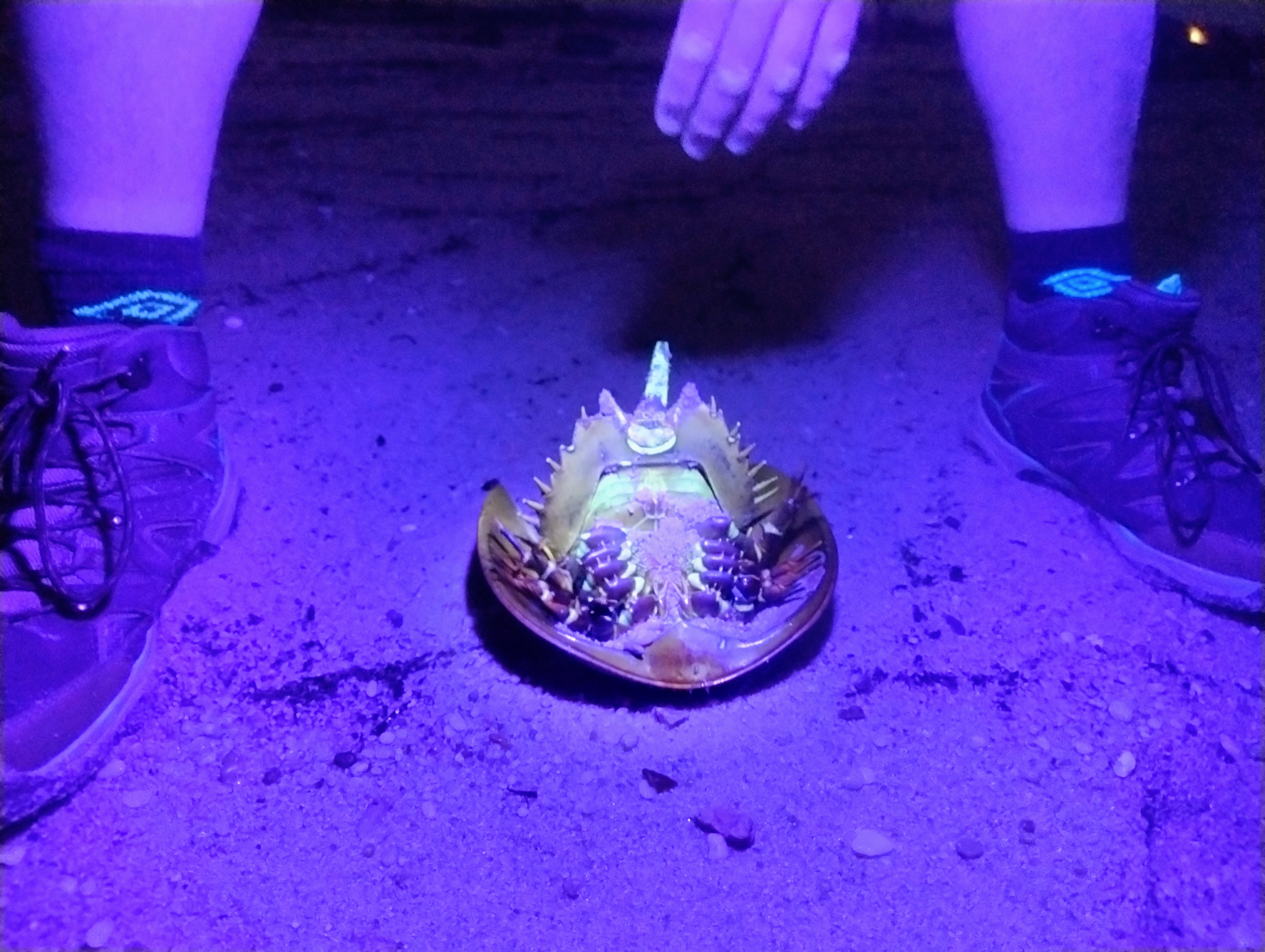
However, bright lights (for long periods of time) can disorientate the crabs into thinking its daytime and stop them spawning, so working quickly we used the light rig sparingly; head torches were invaluable allowing us to position light rig/cameras, lining up each shot, in the dark, before the main lights were turned on to enable filming to begin.
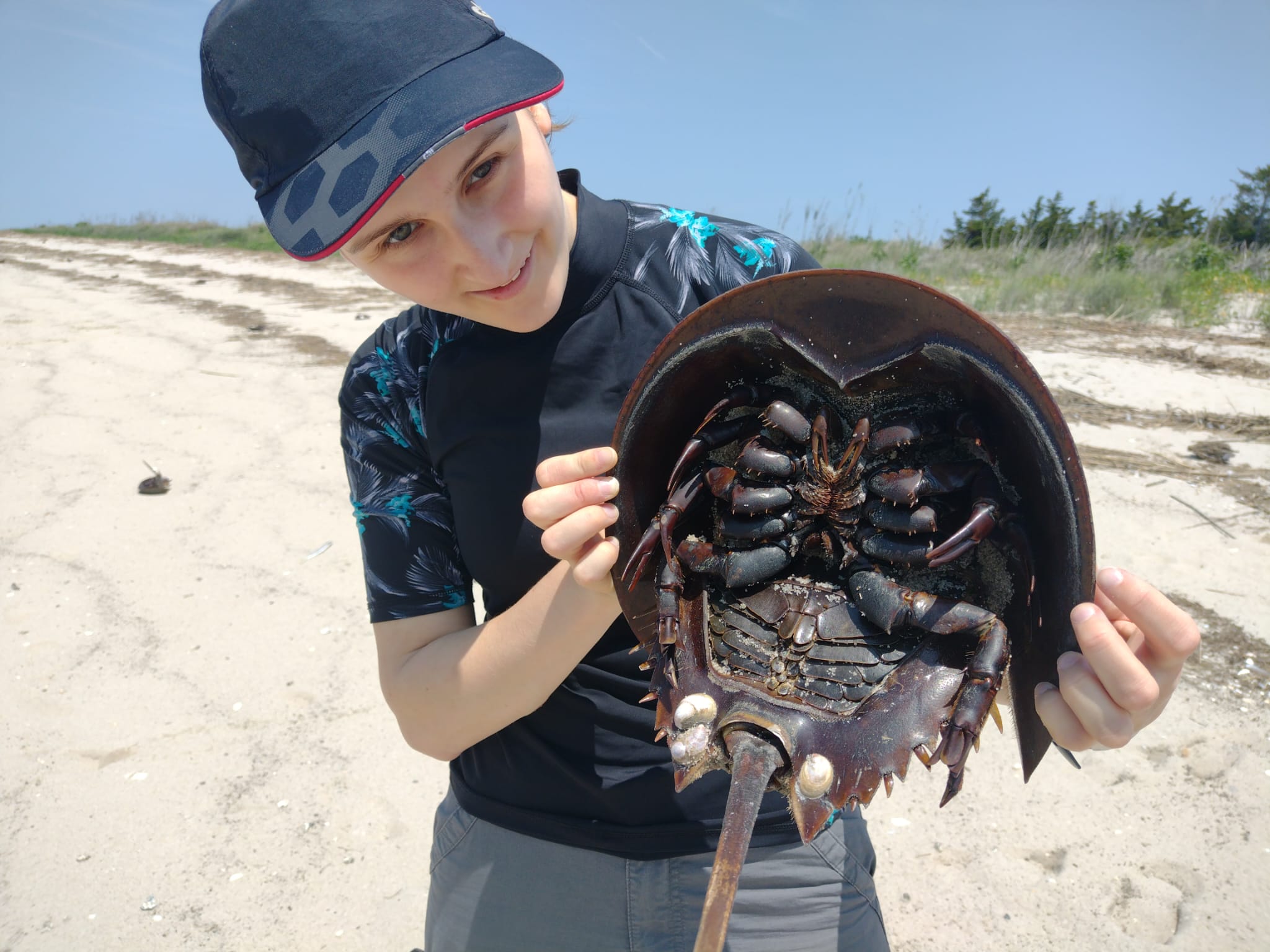
For close ups, blue lights/diffusers were used to mimic moonlight, additionally a key part of the filming script was to demonstrate that horseshoe crabs are not true crabs…but are actually related to spiders and scorpions; to showcase this almost alien feature, ultraviolet lights were also used, transforming the crab’s seemingly drab dark shells to reveal their hidden ‘technicolour’ green highlights within this exoskeleton, proving this arachnid ancestry.
Drone and Long lens
Drones proved to be invaluable throughout the 16-day shoot, placing the audience within the in between world of the land and sea, the drone not only helped capture the vast secluded beauty of Delaware Bay, but was also used during the tricky night shoots. Over two nights, working with horseshoe crab conservation teams, the drone provided an aerial ‘eye in the sky’ allowed us to follow the teams headlights which moved in an eery ballet across the beach as they conducted crab survey; in the edit, paring this footage with the ground camera team’s shots, transformed the footage into an epic opening sequence.
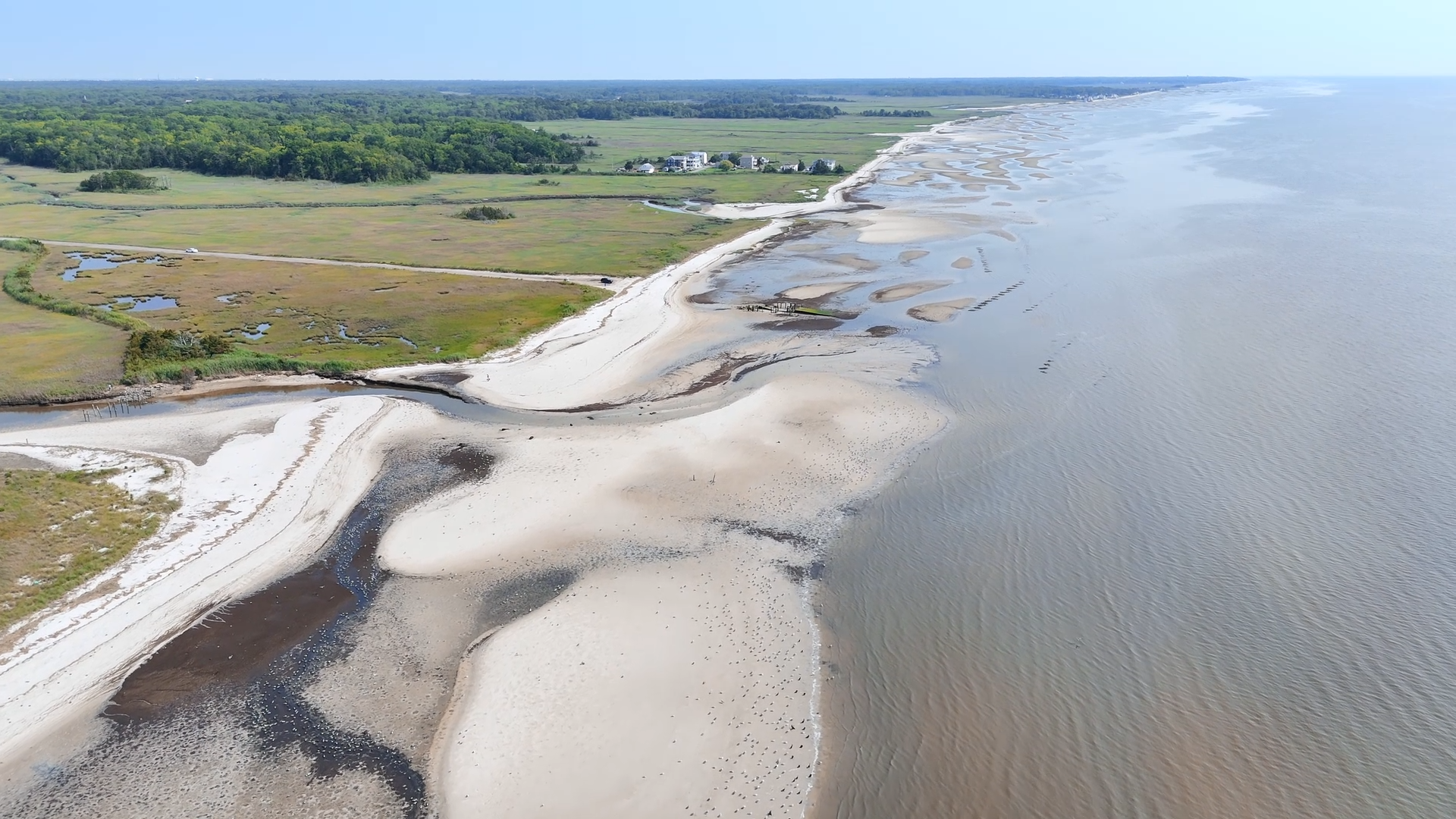
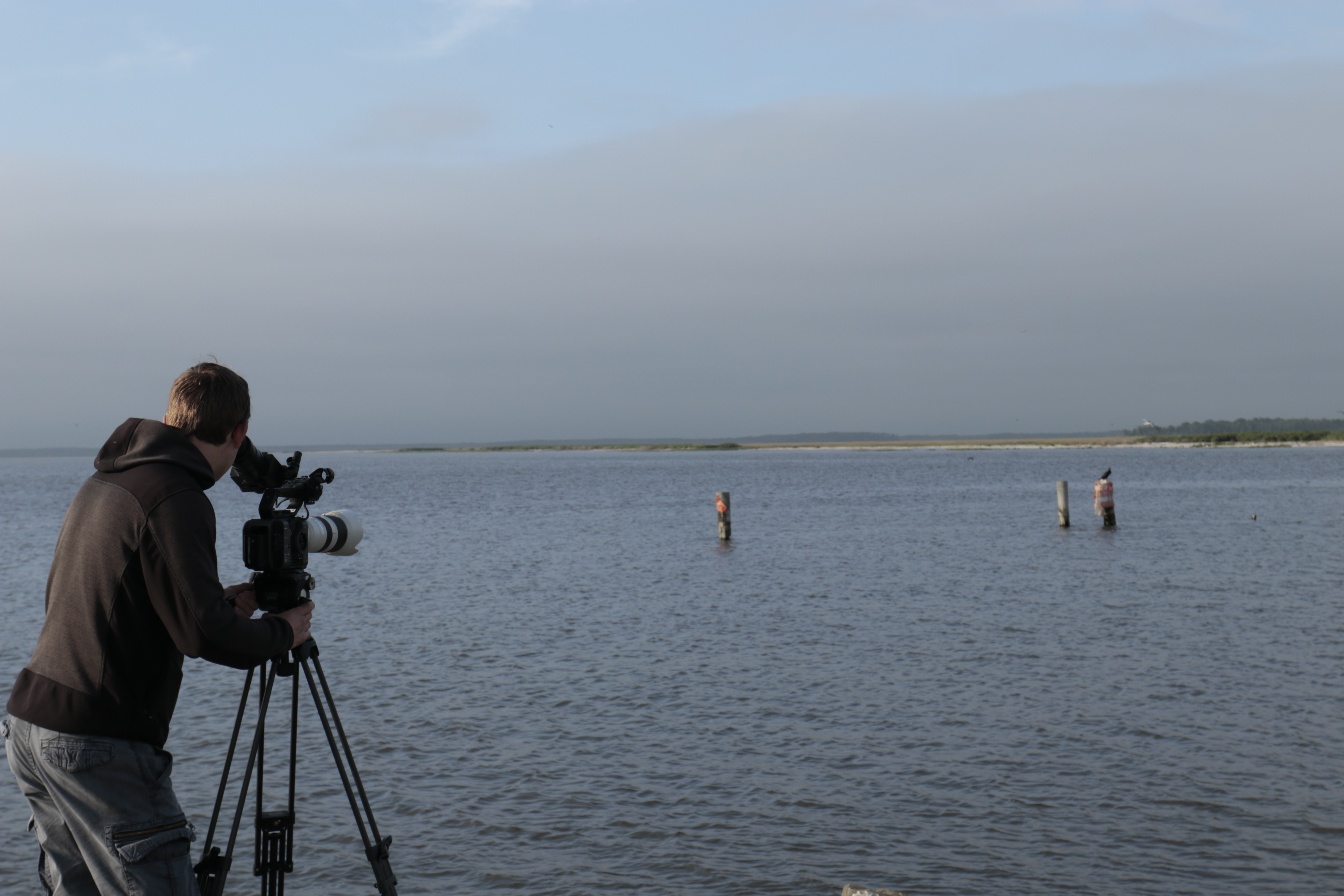
Although the horseshoe crabs movement on land was very slow (so proved to be the perfect actors, allowing us to get wide and close up shots relatively easily), As a Key stone species Horseshoe crabs are integral to the survival of many bird species, who feed on the crabs eggs, however, to capture this behaviour, I used a 200-400mm long lens with the Sony FX6 during the day to capture these birds eating the eggs without disturbing/scaring them away.
Macro
To help bring to life the complex biomedical processes, which happen within our bodies; macro filming techniques played a huge role within the Blue Blood film.
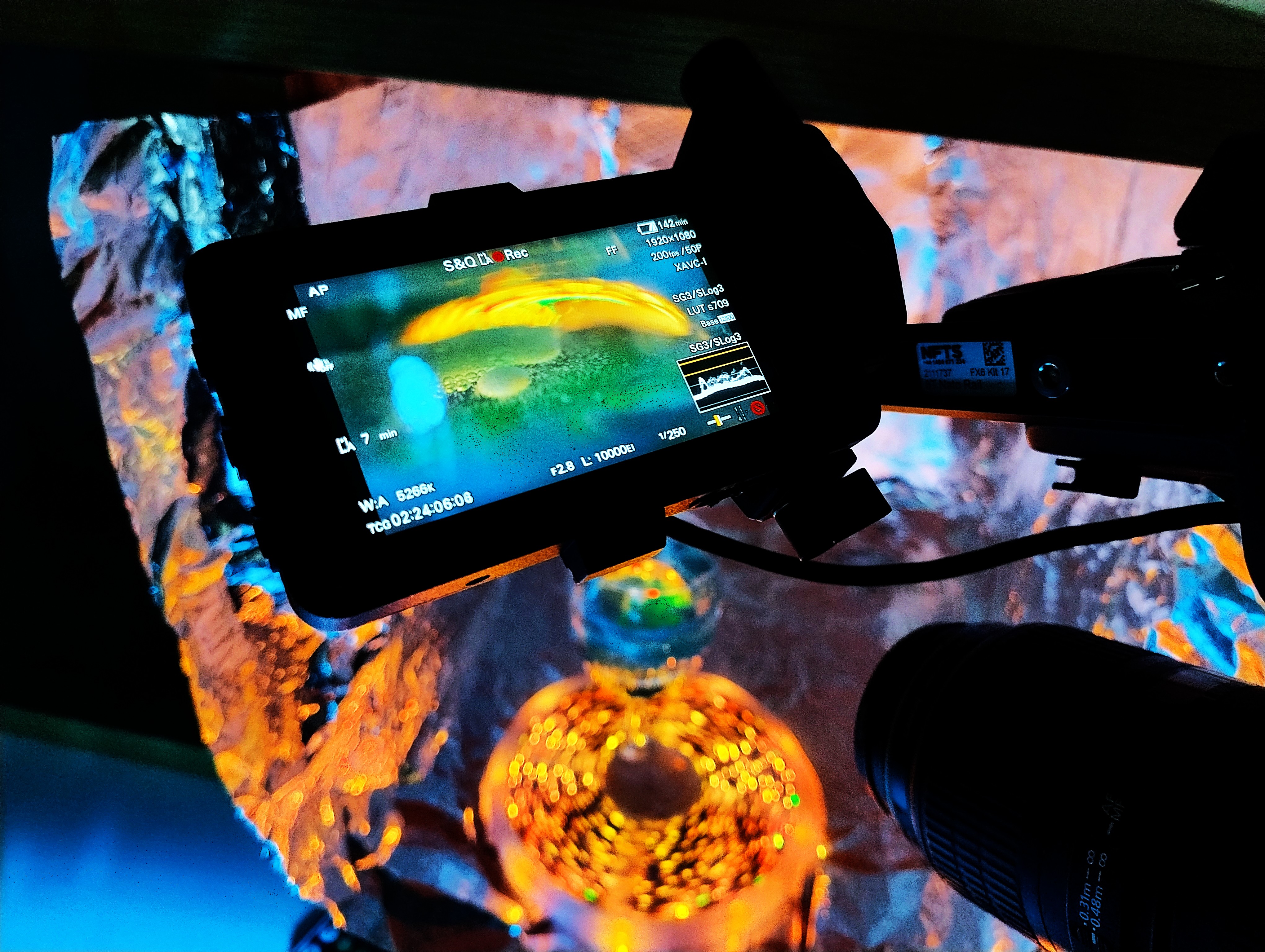
Using only a Sony Fx6, 100mm Canon Macro Lens and a verity of household appliances and ingredients, I set out to film the impossible and recreate all the biological macro shots. Once I created a number of different sets, I set to work manipulating different coloured liquids/oils to see which elements would prove the most affective.
The macro shoot was a slow process full of trial and error, on this scale lighting was very important especially in the ‘blue blood’ dripping scene. Using dash labs and fairy lights to create a colourful contrasting base, I also dressed the set in tin foil and placed a colander over the dash lights, which refracting it even more and prevented any reflections (from the wine glass container) interfering with the blood drops.
Filming in slow motion at 100 frames per second enabled each blue droplet to be caught in precision detail as it fell into the water, creating perfect ripples. Timelapse was also used in a separate macro set shoot, miraculously capturing the evaporation process of different coloured oils/liquids; over 3 hours the flat still oils came to life, swirling and contorting together (to recreate bacteria entering our bloodstream).
Interviews and Lab Filming
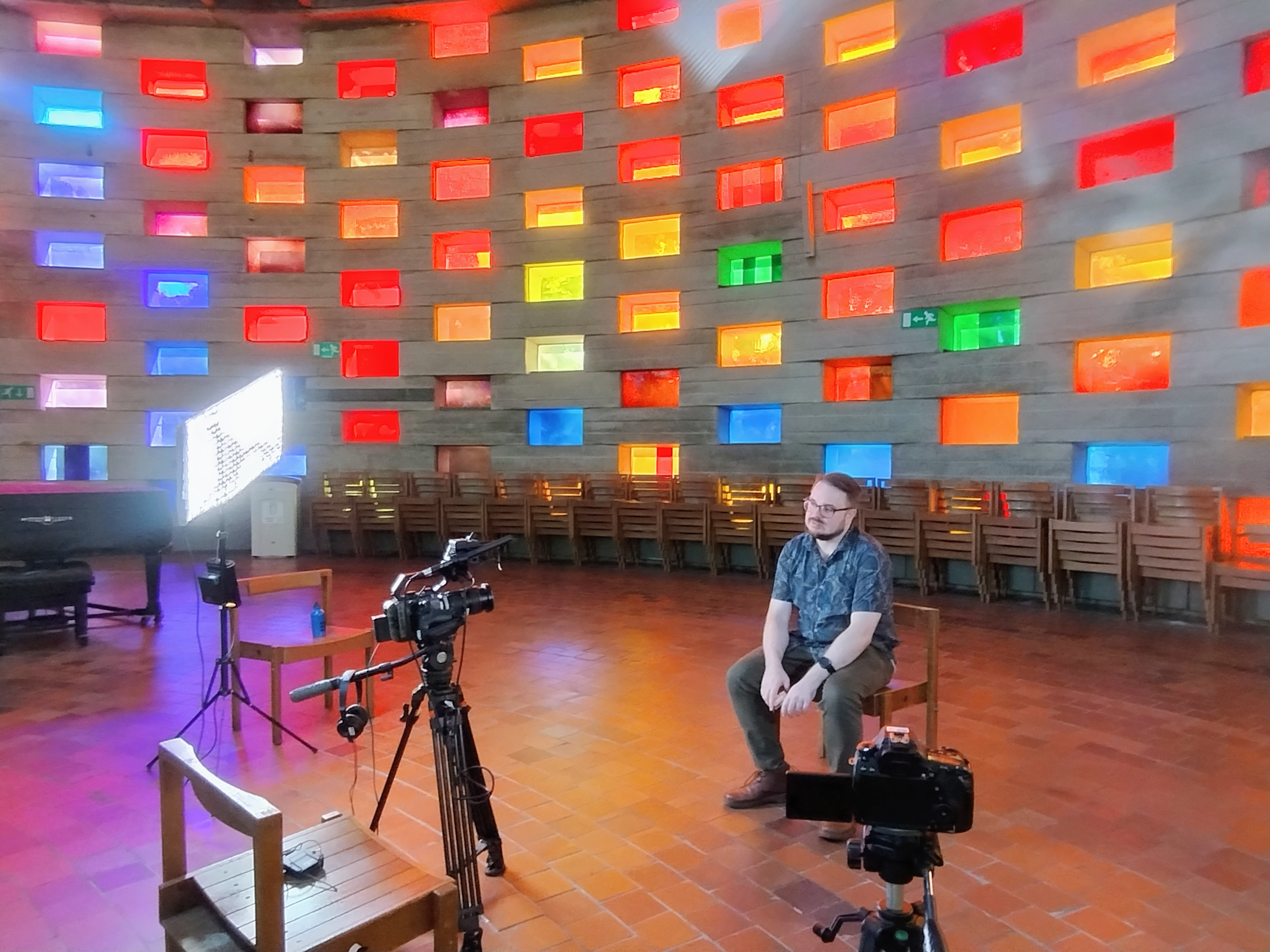
During this production I interviewed four contributors (three in the US and one in UK), each contributor brought their own personality to the screen and it was fun finding different location which would best suit the interviewees. Each location brought it’s own challenges, from battling the wind and constantly singing seagulls in our 2x remote beach locations; to a very colourful church hall whose fabulous acoustics made the interview have a constant echo! Each location provided me with a lot of interviews set up experience, being able to negotiate interviews with contributors, conducting research during preproduction, then finding the perfect framing and lighting the contributor just right all help to make the interviews go more succinct and smoother.
However, despite the painstaking planning during the pre-production stage, film shoots don’t always go to plan… so when my main pharmaceutical contributor backed out at the last minute, I had to re-negotiate a new filming day which required another trip to the US which I did solo.
As a solo self-shooter, I had to juggle the lighting, microphones and multi camera set up, all within a high security pharmaceutical company. After the interview I was able to film within the labs, as it was a sterile environment cameras had to be placed in specific locations and lab demonstrations had to be choreographed so all elements of the process could be captured withing the one shooting day.
Crew
This was an amazing experience creating Blue Blood, however it couldn’t have been done without the wonderful help and support from the pre and post production team, whose incredible talent helped to transform the film. Production managers kept the film schedule on track and prevented me from getting lost or injured during the shoot. In the edit the film came to life, out of the jumble of random shots a film appeared… AND the sound, music and colour grading was where the magic happened!!
What an honour to work with you all!!
- NFTS CREW
Director/Producer/Camera Neeve Ó Flynn-Mundin
Production Manager Rasmus Kröger
Production Coordinator Shreya Desai
Editor Elizabeth Quinn Doyle
Sound Designer/Dubbing Mixer Jacob Stone
Composer Ben Moss
Colourist/Online Editor Maddalena Oberti
-
The NFTS is proud to announce that Blue Blood has been selected at the historic Green Screen International Wildlife Film Festival 2026.
This recognition is a credit to our hardworking students, and a testament to the industry-based learning and professional development gained on our unique Directing and Producing Science and Natural History MFA.
Our Science and Natural History films have consistently been recognised at Student BAFTAs, Jackson Wild Media Awards, Student Academy Awards, Royal Television Society Awards, and major festivals including NaturVision and Wildscreen.
If you are keen to make award winning work and are passionate about telling Science and Natural History stories, applications are open to join our Directing and Producing Science and Natural History MFA in January.
Find out more about the course and apply here: nfts.co.uk/snh
