

Thread The Needle: Insights From NFTS Costume Design MFA Course Leader Rebecca Duncan

The National Film & Television School is proud to be welcoming Rebecca Duncan as the course leader for our brand new Costume Design MFA! Over the next few months, Rebecca will be using her over 30 years of knowledge to help build the NFTS Costume Department from its genesis.
In between consulting on everything from workshop layout (situated in the new Cubby Broccoli Building on the NFTS Main Campus in Buckinghamshire) to the intricacies of the course schedule, we caught up with Rebecca to learn more about what brought her to the NFTS and her plans for the future of the course.
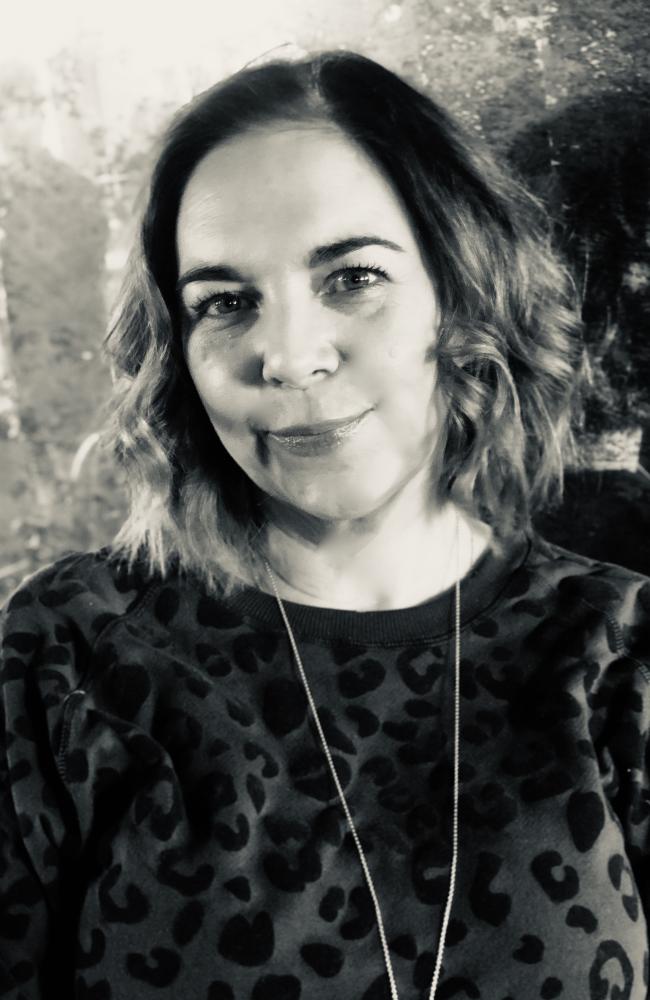
Q: A very warm welcome to the NFTS as our first ever head of Costume Design! What attracted you to the role and what excites you most about launching this new MFA?
Thank you! The opportunity to build a department from the ground up doesn't come along very often. I’ve spent my career working inside the rhythm of costume departments; now I have the chance to help shape one. What excited me most was the opportunity to create a training ground that bridges the gap between the classroom and the studio, preparing students for the actual pace and expectations of a modern set.
Q: Costume Designers sit at the heart of the creative process, working closely with directors, production designers, hair and make up artists, and of course, the cast. Why is collaboration so fundamental to the role and how will students experience that at the NFTS?
Costume is often described as storytelling through clothing, but it's just as much about storytelling through relationships. Some of the most important creative breakthroughs happen in conversations long before a garment ever reaches the camera. Because of that, students won't simply learn to design; they'll learn how to negotiate, listen, and build trust with directors, actors, and other crew members.
Q: The world of film and television production has never been more ambitious, with audiences expecting extraordinary worlds and authentic characters. How is the role of the costume designer evolving to meet those expectations?
Technology will inevitably change our tools and streamline the administrative side of the job, but it won’t replace the core of what we do. Costume design requires empathy and a deep psychological understanding of a character. If anything, automation just clears a wider path for us to focus on the human and creative elements of the script.
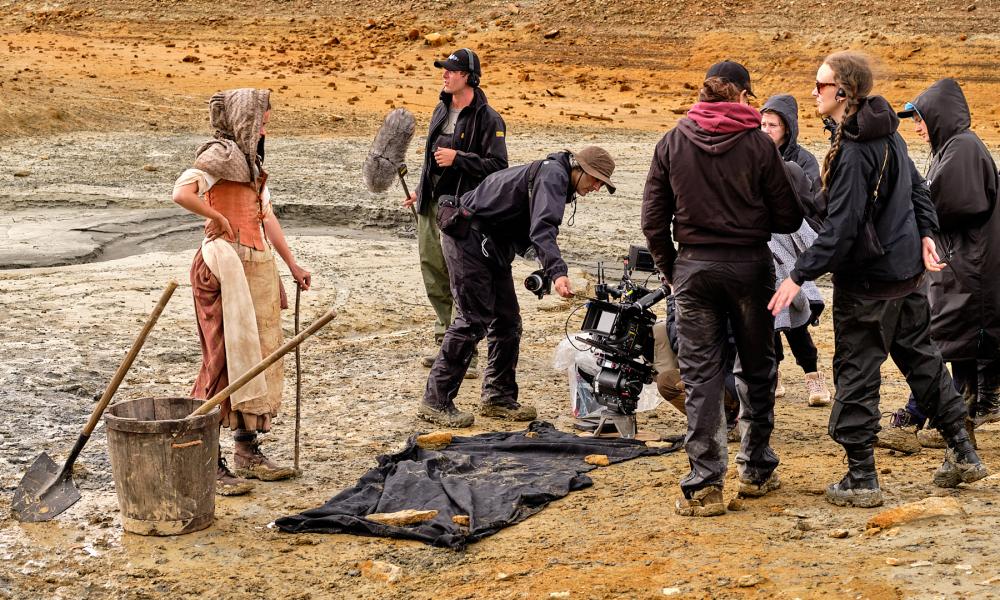
Q: You began your career at Angels, one of the world’s most respected costume houses. Now, as an integral partner on this new MFA, does it feel like something of a full-circle moment? What did your time with Angels teach you about the craft that you’ll pass on to the next generation of Costume Designers?
It absolutely feels like a full-circle moment. It was only when I started working at Angels that I truly understood what the job of a costume designer actually was. I spent nearly four years there, and they gave me my first real opportunity; my entire career is built on the foundations of what I learned and the people I met within those walls.
Angels taught me that excellence isn't an accident—it's built through craft, generosity, and meticulous attention to detail. Every rail in that archive represents a masterclass in history and construction, but it also represents decades of accumulated industry knowledge shared between colleagues. That is exactly what I want to pass on to the next generation: a culture of deep curiosity, respect for the physical craft, and the understanding that our industry relies on the relationships we build.
Q: You’ve worked across a wide variety of productions. What has been your favourite project to work on and what made it so special?
It’s incredibly difficult to pick just one—honestly, my favourite project is usually whichever one I'm working on at the time! I’ve been lucky enough to travel to some extraordinary places and collaborate with wonderful people, but looking back I would say The Fall holds a very special place for me. Working alongside Tarsem and the late, legendary Eiko Ishioka was unforgettable. It was a project defined by long, hot days in spectacular locations, a brilliant cast and crew who pulled together, and a final result that is a sumptuous, uncompromising visual treat. It taught me just how magical cinema can be when everyone is aligned behind a singular creative vision.
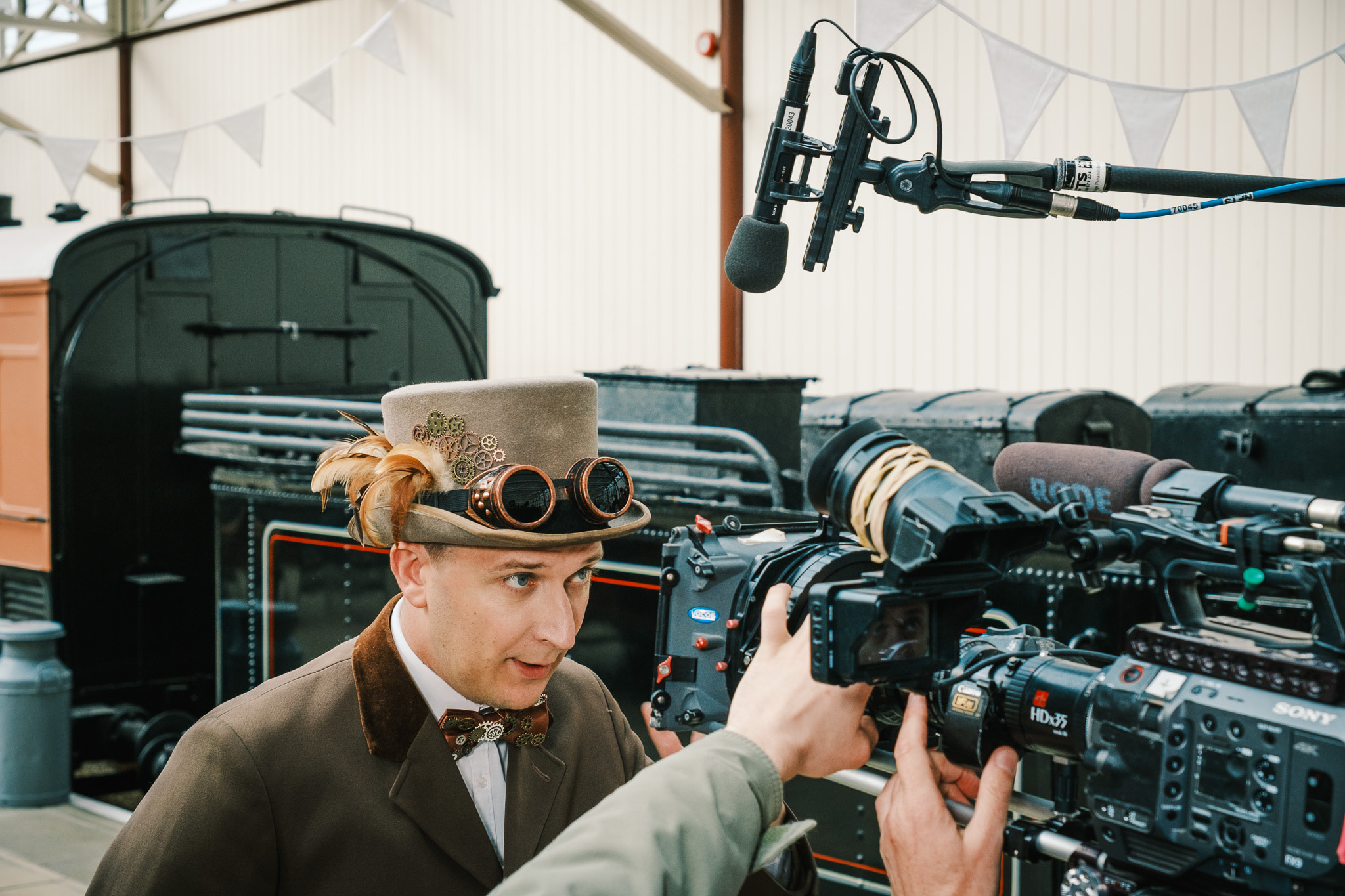
Q: And finally, what qualities do you believe make a great costume designer, and what advice would you give to someone thinking about applying for the course?
People often say 'passion' or 'creativity,' but I think it comes down to judgment and generosity. You need the professional judgment to know when to speak, when to listen, and when to stand your ground on a creative choice. And you need generosity, because the best work comes from designers who uplift their teams and create environments where everyone can do their best work.
And as for advice? Be curious, and don't worry about knowing everything before you get here. We are looking for people who are fascinated by human behaviour and story, not just fashion. Show us how you think, be ready to work hard, and remember that we are all still learning. If you bring a collaborative spirit and a willingness to dive into the realities of production, you'll thrive here.
-
Are you interested in a career in the costume department?
Costume Design for Film and Television MFA
2 Years
Full time
Find out more and apply today: nfts.co.uk/costume-design-film-and-television