
COURSE OVERVIEW
Start with the shot. Finish with the film.
VFX: Lighting & Compositing is an industry-focused 1 year MA that prepares you for careers in lighting, compositing and in-camera VFX, while developing the broader filmmaking and collaborative skills that underpin future lead and supervisory roles in industry.
Working on-set, in a professional studio pipeline, with emerging AI-assisted tools, and with Houdini and Nuke, you will collaborate on live productions and graduate with the specialist skills and showreel needed for a career in high-end visual effects.

What Our Students Create
Content Tabs
MA VFX: Lighting & Compositing prepares students for careers as Lighting Artists, Compositors and emerging visual effects specialists working across film, television, advertising and in-camera VFX (virtual production).
Unlike many visual effects courses, this programme teaches lighting and compositing through the language of filmmaking. Students learn not only how to create convincing visual effects, but why visual decisions matter, how they support story and how they contribute to an audience's experience.
From the beginning of the course, previsualisation is used to teach camera language, lenses, composition, blocking, editorial rhythm and visual storytelling. Students learn to think about sequences before individual shots, developing an understanding of how visual effects supports narrative, performance and cinematography.
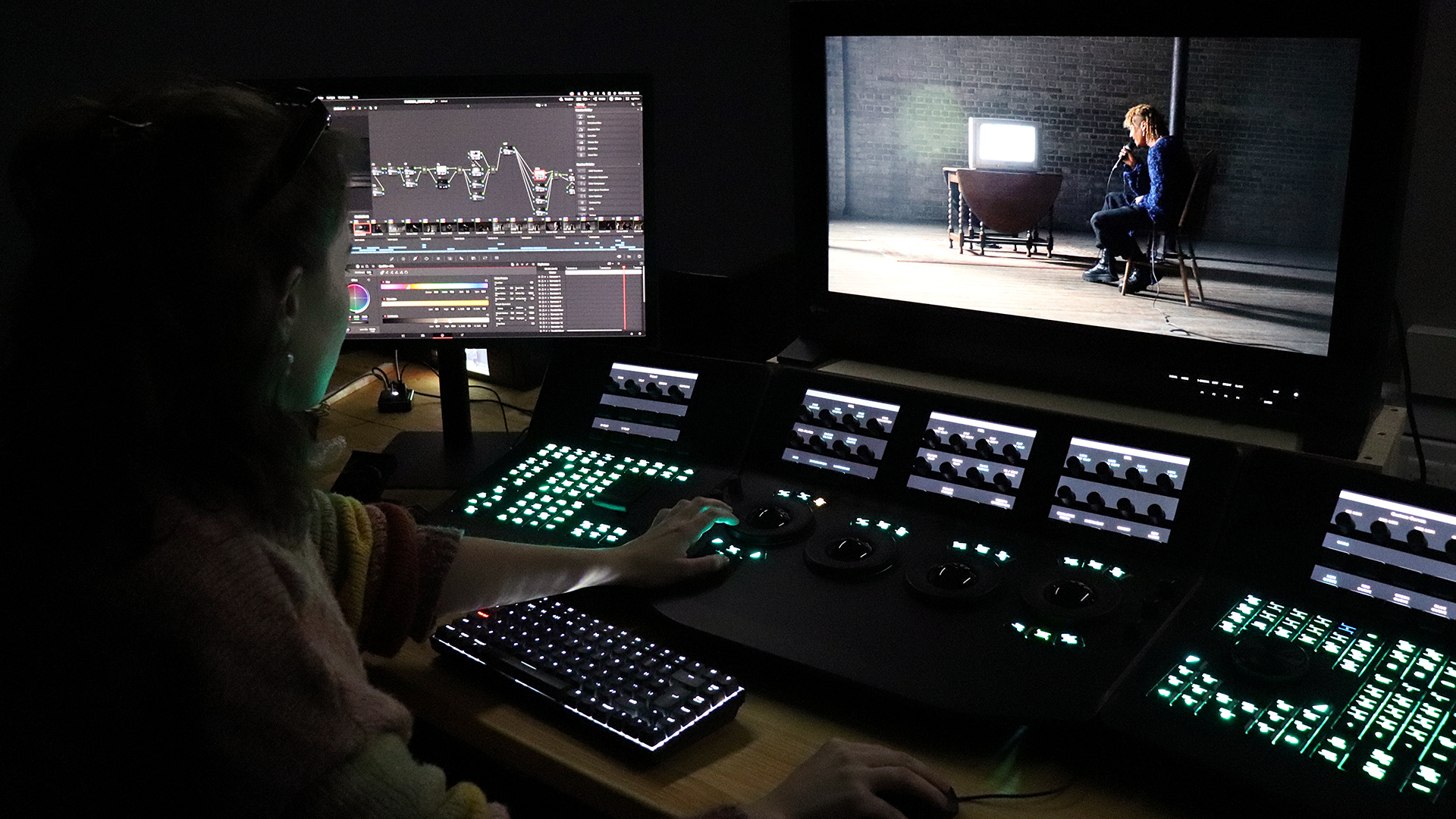
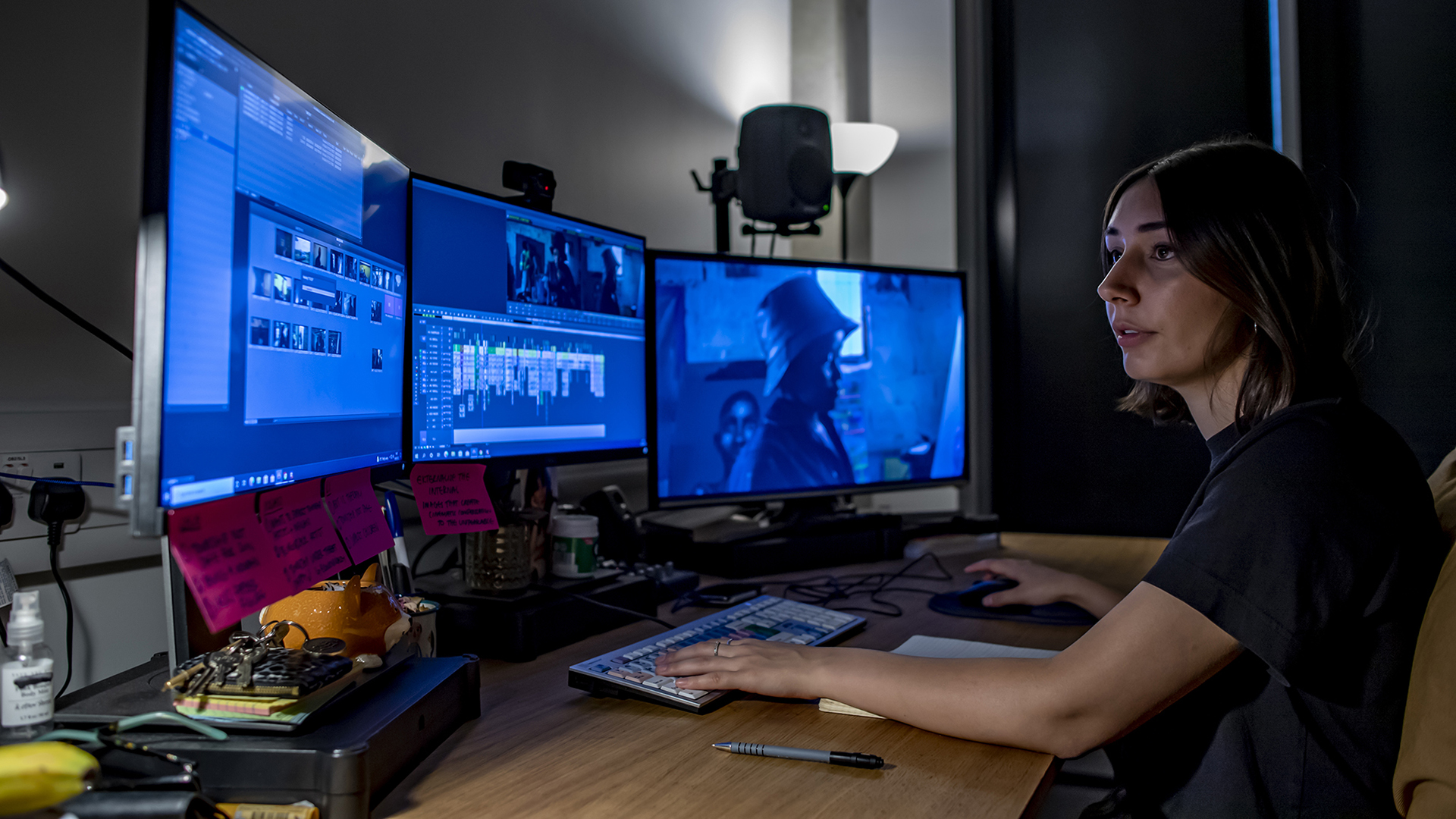
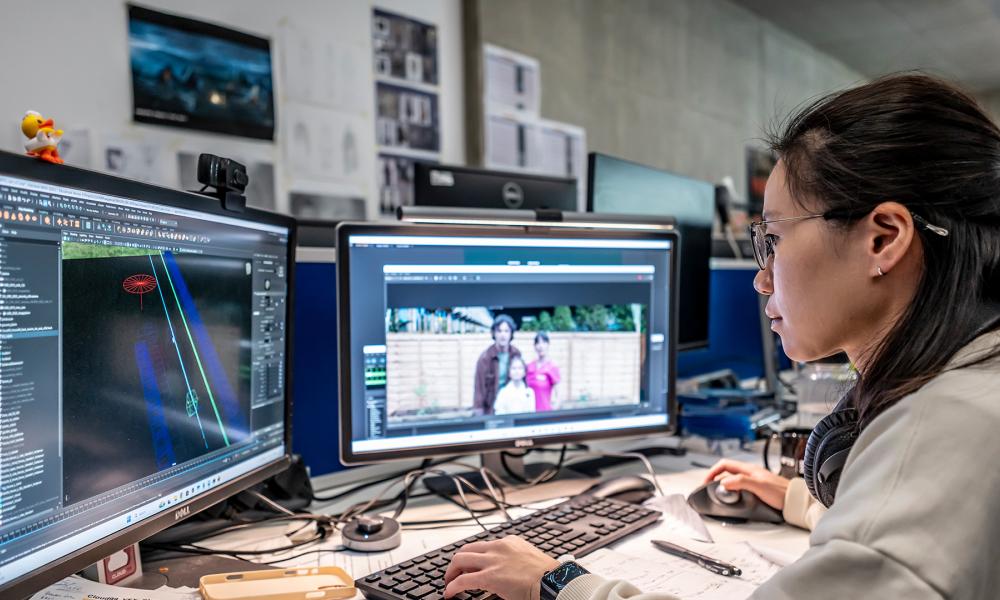
As projects move into production, students develop specialist skills in CG lighting, compositing, VFX editorial and in-camera VFX (virtual production). They learn how lighting shapes mood, directs audience attention and supports dramatic storytelling, while compositing is taught as the process of building coherent visual sequences rather than simply finishing isolated shots. Through conform, colour management, editorial workflows and regular dailies, students continually review work in context, learning how visual effects evolves through collaboration, iteration and sequence-based decision-making.
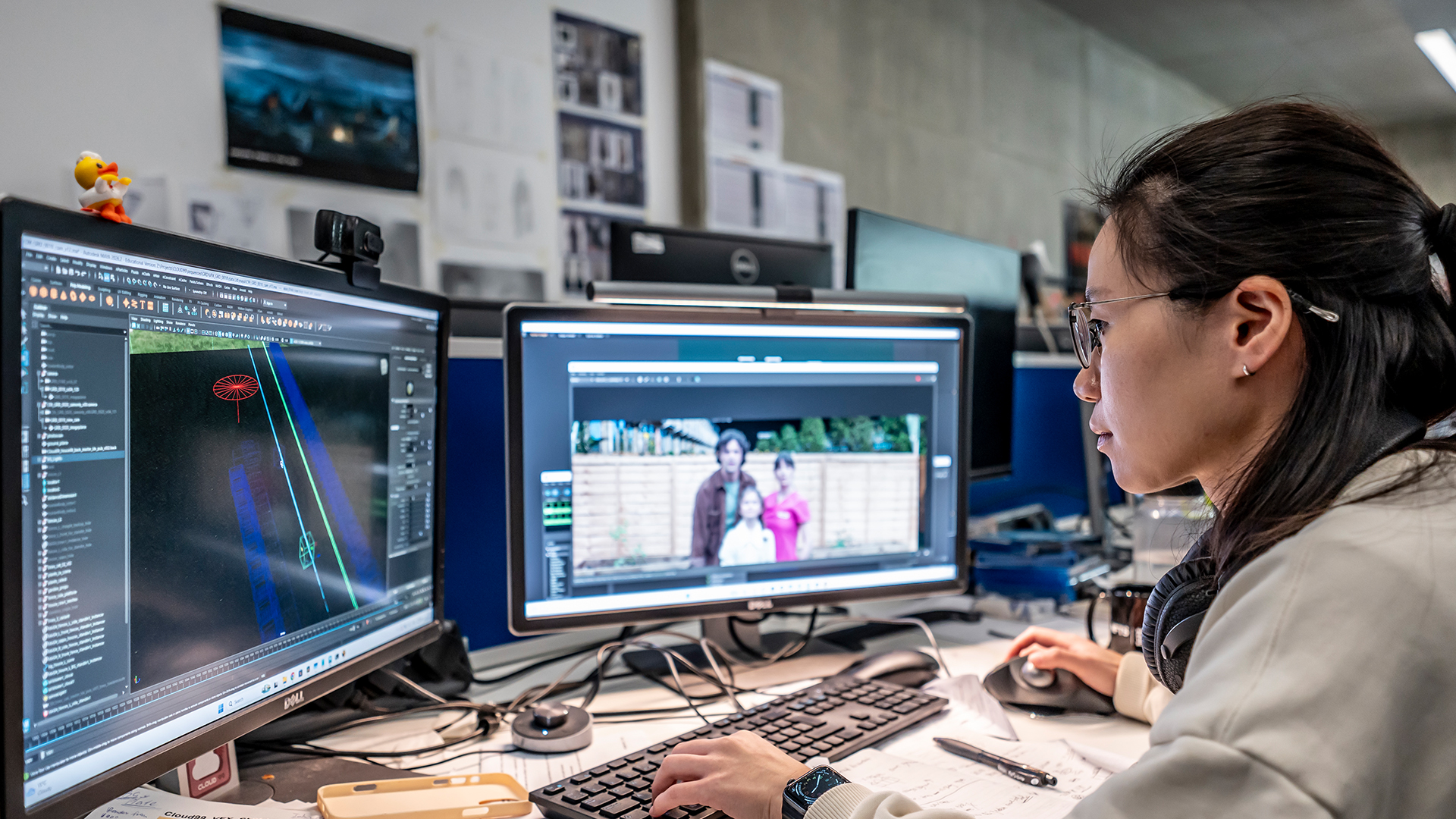
Throughout the course, students work with professional tools including Houdini, Nuke, Nuke Stage, Nuke Studio, Unreal Engine, USD workflows and emerging AI-assisted technologies. The emphasis is not on software for its own sake, but on understanding which techniques and workflows best solve creative problems within professional productions.
Working within the NFTS production environment, students collaborate with directors, cinematographers, editors, production designers, model makers, sound designers and students from the companion MA VFX - Environments & Assets course. Through major collaborative productions and graduate films, they experience the complete production workflow, from concept development and previsualisation through to shooting, post-production and final delivery. This gives students the opportunity to take creative responsibility for visual effects within a professional filmmaking environment, developing the communication, decision-making and leadership skills that underpin future roles in VFX supervision and department leadership.
The course is taught by active industry professionals working across feature films, television, advertising and emerging production technologies. Their current production experience ensures students learn contemporary workflows while developing the creative judgement, technical confidence and collaborative skills needed to adapt as the industry evolves.
Graduates leave with an industry-ready portfolio and practical experience that prepares them for roles including:
- Lighting Artist
- Compositor
- Lighting & Compositing Artist
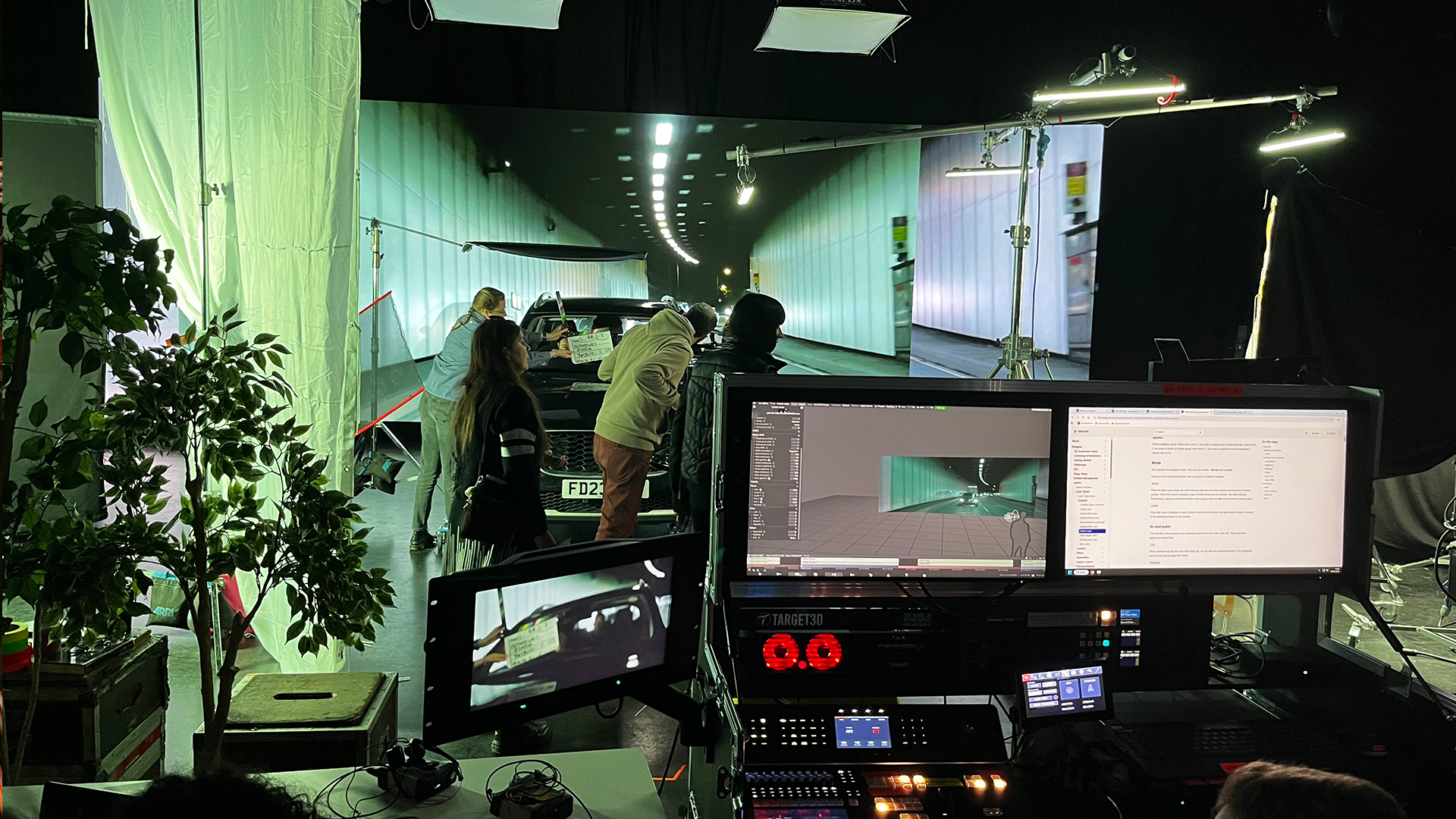
- In-Camera VFX Artist (Virtual Production)
- On-Set VFX Artist
- Real-Time Lighting Artist
- Post-visualisation and VFX Editorial
- VFX Supervisor
By combining technical excellence with a deep understanding of filmmaking, the course prepares graduates not only to enter the visual effects industry, but to develop into the next generation of creative and technical leaders.
By the end of the course, you will have developed:
- Expertise in shot design, camera layout and previsualisation
- A professional understanding of lighting and compositing workflows
- Creative control over cinematic lighting and digital storytelling
- Experience working within a professional, collaborative VFX pipeline
- Critical awareness of your own creative and professional development
- An industry-ready portfolio focused on lighting and compositing
You’ll also explore how AI-assisted tools can support lighting reference generation, look development and iteration, while maintaining artistic control and professional judgement.
Course Modules covered include:
Module 1: Foundations of Shot Conceptualisation
This foundation module introduces you to shot-based thinking for visual effects, placing lighting and compositing at the heart of cinematic storytelling. You’ll explore how light, colour, lensing and composition shape realism, mood and meaning, working directly within the VFX shot pipeline rather than asset creation. Through practical exercises using photographic plates and CG elements, you develop visual literacy, technical grounding and critical awareness that underpin all subsequent modules.
Module 2: Lighting for Integration
This module focuses on the technical and observational skills required to integrate CG seamlessly into live-action imagery. You’ll learn image-based lighting workflows, including HDR capture and analysis, and apply them to digitally recreate real-world illumination. Working across Houdini and Unreal Engine, you’ll explore light behaviour, shadow interaction and environmental consistency, culminating in a polished static composite supported by a clear breakdown of lighting methodology.
Module 3: On-Set VFX and Compositing
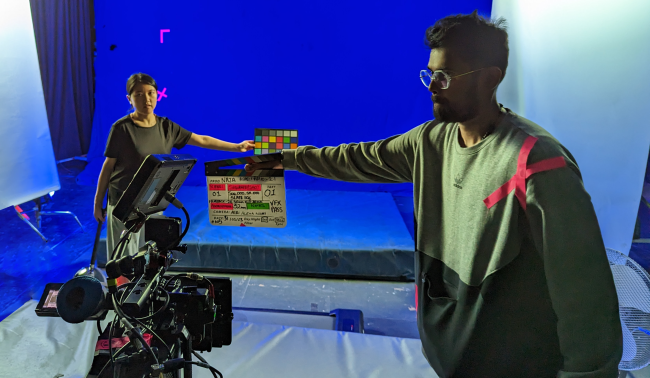
In this collaborative, production-focused module, you design, shoot and composite a short live-action performance into a fully digital environment. Working with actors on a green-screen stage and collaborating with Digital Worldbuilding students, you plan, light and integrate performances into CG or matte-painted worlds. The module mirrors professional on-set and post-production workflows, developing your ability to bridge physical production and digital image creation.
Module 4: Cinematic Lighting
This module explores lighting as an expressive and narrative tool. You’ll design and deliver a short multi-shot sequence that demonstrates contrast, colour, motivation and silhouette. Working across Houdini and Unreal Engine, you experiment with physically based and stylised lighting approaches, using AI-assisted tools for reference generation and look development. The project showcases your ability to communicate emotion, atmosphere and intent through light.
Module 5: Cinematic Shotcraft – From Miniature to Screen
In this major collaborative module, you lead the visual design and execution of a hybrid production combining physical miniatures and digital environments. Working with students from Model Making, Digital Worldbuilding, Composing and Sound Design, you direct lighting, shot composition and camera movement across on-set capture and digital realisation. The finished sequence reflects professional hybrid workflows and demonstrates advanced collaborative leadership.
Module 6: Master’s Portfolio
Running across all three terms, the Master’s Portfolio supports reflection, research and critical engagement with your creative practice. You’ll document and evaluate your projects through written reflections, annotated breakdowns and contextual research, exploring themes such as authorship, collaboration, AI-assisted workflows and the relationship between real and virtual cinematography. The portfolio ensures you graduate as both a skilled practitioner and a critically aware professional.
You may be completely new to the industry, a recent undergraduate, a self-taught artist, or have some experience or qualifications and are looking for a step up in your career. This course is open to those from a wide range of backgrounds.
You must be able to demonstrate an interest in storytelling and its related digital mediums. While many applicants will have a degree from a British or overseas university, we will consider applicants who do not have a degree if they have an impressive portfolio, a creative track record, an alternative qualification or can articulate their passion clearly at an interview.
Applicants should be confident in the English language, be able to attend the course in-person and have at least basic computer literacy.
International students Visa and English language requirements
If you have any questions, please email info@nfts.co.uk
To apply, you may include the following optional items with your application:
Optional:
- If you have a showreel, please submit a link to your showreel or a selection of still images/renders demonstrating your existing VFX skills. Select work that best represents your strengths and clearly communicates your artistry and understanding of visual effects workflows.
Applications will close at 23:59 on the day of the deadline, shown at the top of this page.
We have two VFX Courses. If you're unsure which VFX course is right for you, we encourage you to apply for either one and we will help to guide you on the option that best suits your interests and career goals.
FUNDING AVAILABLE
The newly established Amazon MGM Creative Technology Scholarship for emerging technologies and digital pathways, is available for this course. Eligible applicants offered a place on the course will be invited to apply for funding, where they can indicate their interest in the scholarship.
Upcoming Events




A Fresh Take